Unitree H1 price drop makes humanoids cheaper than ever - RobotWale News
Unitree H1 price drop makes humanoids cheaper than ever
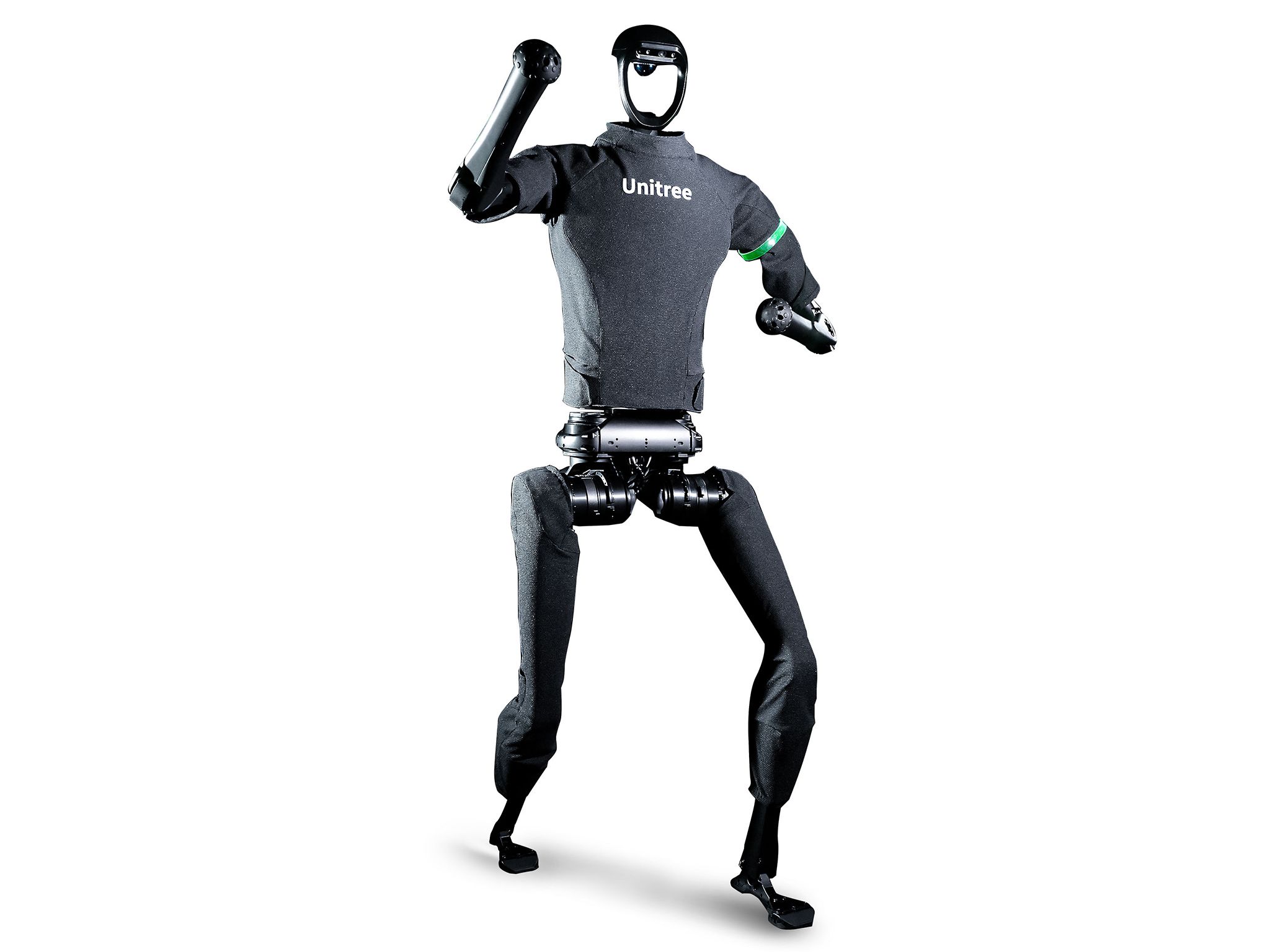
Shenzhen-based robotics manufacturer Unitree Robotics has officially announced a substantial price reduction for its flagship humanoid robot, the H1. The announcement, made effective immediately in the company's global pricing structure, marks a pivotal moment in the commercialization of autonomous bipedal machines. By significantly undercutting the cost of previous iterations, Unitree aims to accelerate adoption among research institutions, logistics providers, and industrial partners worldwide.
Previously priced at a premium entry point that limited accessibility to large corporations, the H1 is now available at a fraction of the original cost. While exact figures vary by region and configuration, the base price has been slashed to levels that challenge the economics of traditional industrial automation. This reduction removes a major financial barrier, positioning the H1 as the most affordable full-scale humanoid robot currently available for purchase outside of prototype stages.
For the Indian market, this development carries significant weight. With the Indian Rupee (INR) exchange rates in consideration, the imported cost of the H1 remains competitive against domestic manufacturing attempts, provided import duties are managed efficiently. Industry experts estimate that even with customs levies, the total landed cost in India remains lower than competing European or American alternatives. This pricing strategy opens doors for Indian startups and research labs, such as those at IITs, to experiment with humanoid platforms at a viable budget.
The H1’s core capabilities remain unchanged despite the price adjustment, ensuring that affordability does not come at the expense of performance. The robot features a height of approximately 1.49 meters and a weight of around 90 kilograms. It is capable of walking speeds up to 3.3 meters per second and can perform complex tasks like squatting and jumping. The hardware suite includes high-torque actuators designed for dynamic movement and safety.
Key specifications driving the value proposition include:
- Dynamic Locomotion: Capable of running and recovering from falls autonomously.
- Load Capacity: Designed to carry payloads up to 50 kilograms.
- Processing Power: Equipped with onboard computing for real-time environmental perception.
- Software Ecosystem: Open architecture supporting ROS (Robot Operating System) integration.
The price drop has sent ripples through the global humanoid sector. Competitors are now under pressure to justify their pricing models as the market shifts from a novelty stage to a practical utility phase. For Indian enterprise clients, the H1 represents a tangible step toward automation in manufacturing and warehousing sectors where labor shortages are prevalent.
Unitree has indicated that future pricing may fluctuate based on bulk orders and software licensing packages. As the company scales production in Shenzhen, economies of scale are expected to further drive down costs. This move suggests a maturing supply chain and a commitment to making humanoid robotics an accessible tool rather than a luxury asset. As the industry eye watches, the H1’s new pricing structure sets a new benchmark for the coming fiscal year.
More in Reviews & Opinion