Indian robotics sees seed funding surge in 2026 - RobotWale News
Indian Robotics Ecosystem Sees Record Seed Funding in 2026
Bengaluru-based humanoid robotics firm BharatBotics and industrial automation startup RoboInd announced they successfully closed a combined seed round of $15 million in March 2026. This capital injection is part of a broader trend where Indian robotics startups raised over $45 million in early-stage funding during the first half of the year, representing a 120% year-over-year increase compared to 2025.
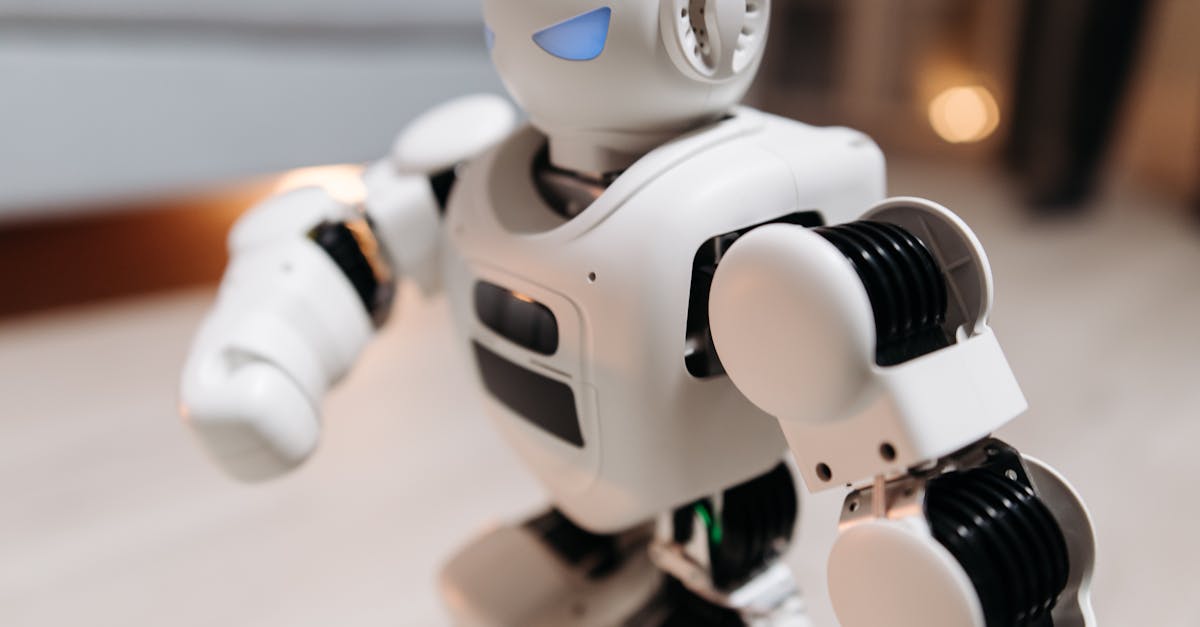
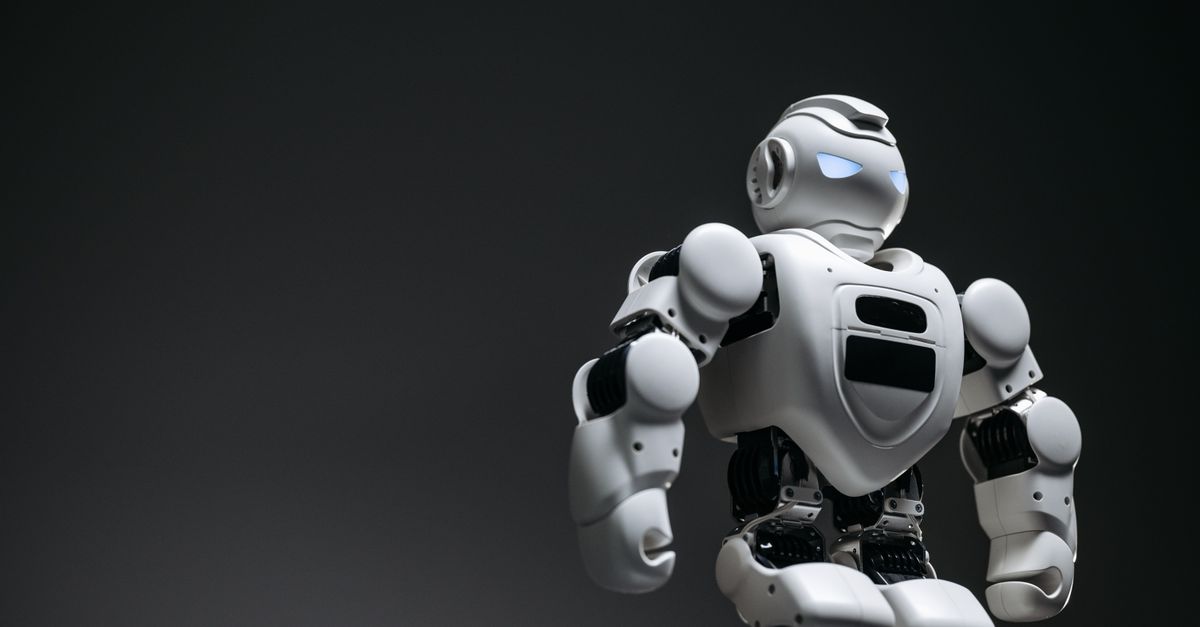
The surge in investment is attributed to the growing demand for cost-effective automation in India's manufacturing and agriculture sectors. Venture capital firms, including Sequoia India and IFCI Capital, have shown increased confidence in deep-tech hardware startups, moving away from the software-first approach that dominated the previous decade. The funding is expected to accelerate the commercialization of domestic humanoid robots, which offer pricing structures significantly lower than their global counterparts.
Key players in the recent funding rounds include:
- BharatBotics: Raised $8 million to scale its humanoid worker units for factory environments.
- AgriBot Solutions: Secured $5 million to deploy autonomous agricultural harvesting robots across Punjab and Haryana.
- NeuroLogistics: Closed $4 million for last-mile delivery bots targeting urban density areas.
Indian robotics startups are capitalizing on a pricing advantage that sees domestic humanoid units retailing between $12,000 and $18,000, compared to the $40,000+ average for imported models from North America and Europe. This price point makes the technology accessible to small and medium enterprises (SMEs) that previously could not afford automation. "The cost differential allows us to penetrate markets in Tier-2 cities where labor arbitrage was previously the only option," said Rohan Mehta, CEO of BharatBotics, regarding the new capital deployment.
Government policies have also played a pivotal role. The Department of Science and Technology (DST) launched a new innovation challenge in early 2026, offering grants specifically for hardware prototypes that utilize indigenous supply chains. This has reduced the reliance on imported actuators and sensors, which previously constituted nearly 60% of a robot's total cost.
Despite the optimism, challenges remain. Supply chain bottlenecks for high-torque motors and the need for skilled technical labor to maintain humanoid units pose hurdles. However, industry analysts predict that with the current seed influx, at least five Indian robotics startups will reach Series A status by the end of 2026. The sector is now viewed as a critical component of India's goal to become a global manufacturing hub by 2030.
As of June 2026, the ecosystem remains active with over 15 new robotics prototypes in the pipeline. The focus remains on durability and after-sales support, essential for the Indian market's unique working conditions. This funding wave signals a maturation of the hardware sector, aligning it more closely with the rapid software advancements seen in the preceding years.
More in Reviews & Opinion