
ETH Zurich quadruped handles extreme terrain - RobotWale News
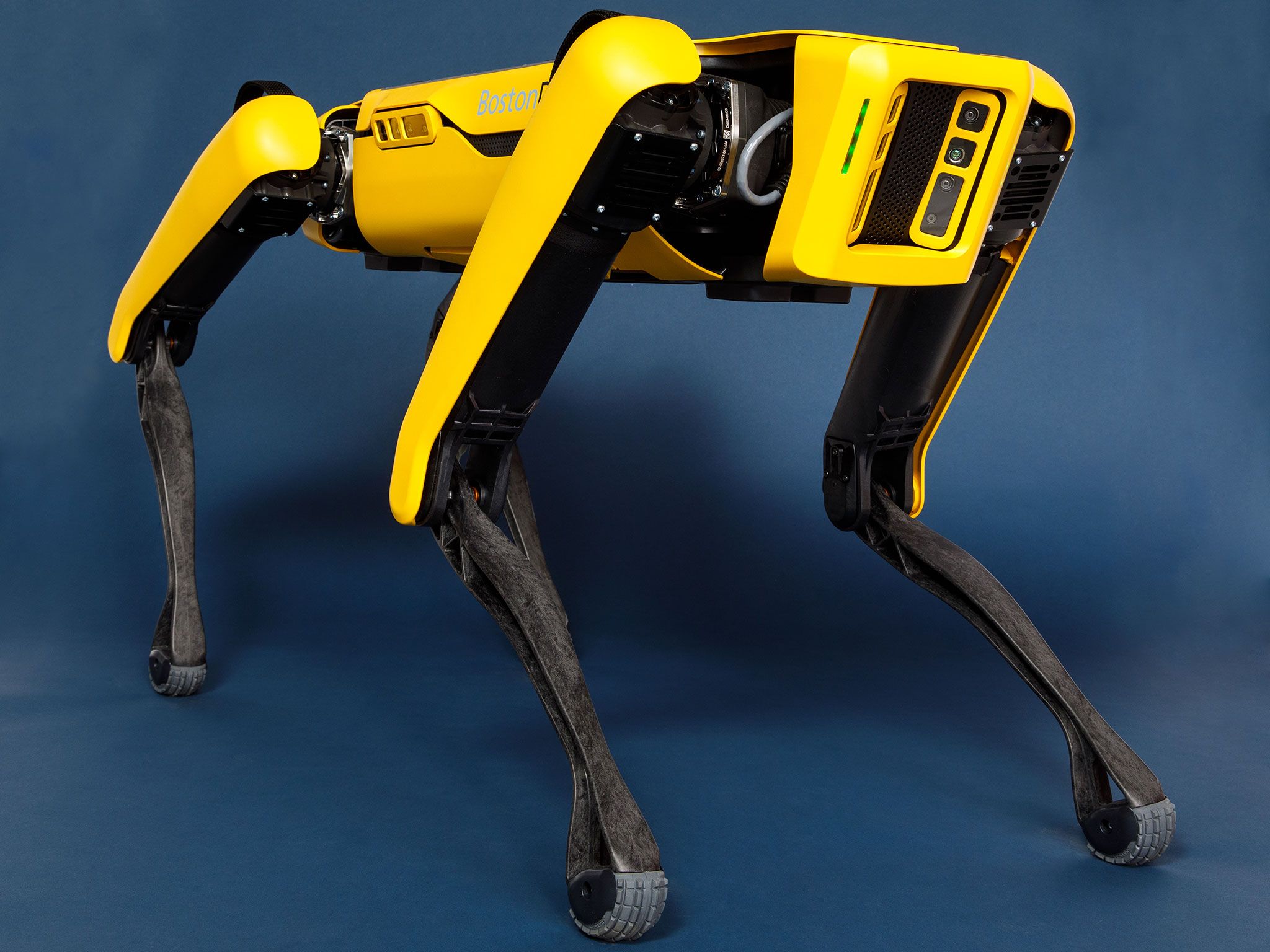
ETH Zurich quadruped handles extreme terrain
Researchers at the Swiss Federal Institute of Technology (ETH) Zurich have unveiled significant progress in legged robotics, demonstrating a quadruped system capable of navigating extreme, unstructured terrain. The demonstration, conducted recently at the university's Robotics and Systems lab, marks a critical milestone in autonomous locomotion technology. The robot successfully traversed steep inclines, loose gravel, and rocky obstacles that typically challenge standard wheeled or tracked systems.
The quadruped, part of the research-oriented ANYmal series, relies on a suite of onboard sensors including stereo cameras and LiDAR to map its environment in real-time. Unlike traditional robots that require pre-mapped data, this system utilizes deep reinforcement learning algorithms to adapt its gait dynamically. During the tests, the machine maintained stability while climbing slopes exceeding 30 degrees and crossing gaps up to 1.5 meters wide. The control system, developed by the Autonomous Mobile Robots group, prioritizes energy efficiency and balance, reducing the risk of tipping even on unstable surfaces.
For the Indian robotics sector, this development holds substantial relevance. India's diverse geography, ranging from the Himalayas to mining belts in Jharkhand and Odisha, presents similar terrain challenges. Indian startups focused on construction, mining, and disaster relief could leverage similar locomotion technologies to deploy automated inspection drones and ground units in hazardous zones where human presence is risky. Companies like Astha Robotics and Blue Bird Robotics are already exploring legged platforms for last-mile delivery and inspection tasks in uneven urban environments.
While the research-grade units developed at ETH Zurich are not yet commercially available for purchase, pricing estimates for similar high-performance quadrupeds in the global market range between USD 30,000 and USD 50,000. However, as technology matures and supply chains stabilize, Indian importers anticipate a price reduction to the USD 10,000 to USD 15,000 range within the next three years. This cost parity could make quadruped robots viable for Indian industrial applications, particularly in disaster relief operations following earthquakes or floods.
- Key Capability: Autonomous navigation on slopes up to 30 degrees.
- Technology: Real-time LiDAR mapping and reinforcement learning.
- Application: Search and rescue, mining inspection, and infrastructure monitoring.
The ETH Zurich team plans to open-source parts of the control algorithm to encourage broader adoption in the research community. This move could accelerate the development of similar systems within Indian academic institutions and private labs. As the technology moves from the lab to the field, it signals a shift towards more resilient autonomous agents capable of operating in the complex environments found across India.
Industry experts suggest that collaborations between Swiss research labs and Indian manufacturing hubs could facilitate local assembly, reducing import duties and costs. With the Indian government pushing for 'Atmanirbhar Bharat' in robotics, such international breakthroughs provide a technical roadmap for domestic innovation in legged mobility. The focus remains on creating cost-effective, rugged systems that can operate autonomously for extended periods without human intervention.
More in Reviews & Opinion