
Sensors & Perception
How robots see and feel the world. We cover LiDAR, depth sensors, tactile skins, event cameras and the SLAM algorithms that stitch it all together.
Topics in Sensors & Perception
24 articles
A grounded assessment of commercial LiDAR, ToF, and stereo depth sensors available for humanoid robot perception stacks, graded by shipping status, pricing, and India availability.

A grounded assessment of commercially available tactile sensing technologies for humanoid robots, evaluating shipping hardware, pilot deployments, and early-stage announcements, with specific notes on Indian market access and approximate landed costs.

A grounded technical review of SLAM architectures, ORB-SLAM evolution, VIO sensor fusion, and map-building pipelines, with deployment realities for humanoid platforms and India market availability.
A factual breakdown of solid-state LiDAR, Time-of-Flight, and stereo depth sensors currently available for humanoid robotics, graded by deployment maturity, with India availability and pricing notes.
A hardware-graded evaluation of GelSight, BioTac, and capacitive touch arrays for humanoid robotics, including integration requirements, independent validation, and India availability with flagged landed cost estimates.

An evidence-based review of SLAM and VIO architectures, shipping hardware dependencies, map-building workflows, and the current state of deployment in Indian robotics programs.

A hardware-first evaluation of event-based vision sensors for high-speed robotics, covering shipping hardware, integration pipelines, India availability, and realistic deployment constraints.

A grounded analysis of shipping tactile skin technologies, deployment realities, and India market availability for optical, piezoresistive, and capacitive tactile arrays in robotics.

A hardware-grounded analysis of SLAM and localisation stacks, covering ORB-SLAM architectures, visual-inertial odometry fusion, graph-based map optimisation, and real-world deployment status across Indian robotics markets.
A grounded assessment of neuromorphic event cameras for robotics, grading shipping hardware, pilot deployments, and early announcements while mapping India import pathways and approximate landed costs.
A grounded assessment of shipping solid-state LiDAR, time-of-flight modules and stereo depth cameras for humanoid platforms. Graded by hardware availability, pilot deployments and announcements, with landed cost estimates and integration constraints for the Indian market.

A grounded assessment of shipping solid-state LiDAR, Time-of-Flight, and stereo depth sensors for humanoid robotics. We evaluate manufacturer spec sheets, factory deployments, and India availability with landed cost estimates.
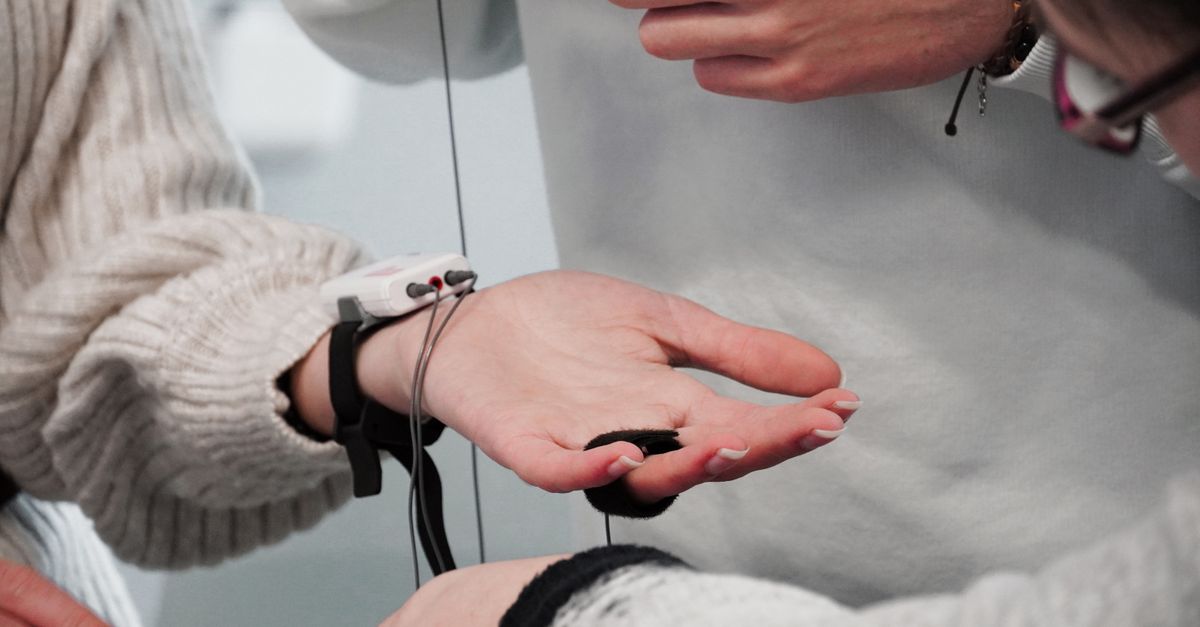
A hardware-graded assessment of commercial tactile skin architectures, evaluating GelSight optical sensors, BioTac biomimetic fingertips, and capacitive touch arrays against shipping status, deployment maturity, and India market availability.
A grounded analysis of simultaneous localisation and mapping, tracing the evolution from academic ORB-SLAM to shipping-grade visual-inertial odometry, with a focus on hardware implementations, India market availability, and practical map-building pipelines.
A grounded assessment of event-based vision sensors for robotics, graded by shipping hardware, verified pilot deployments, and announced roadmaps. Covers technical architecture, current generation models, integration pipelines, India availability, landed pricing, and engineering trade-offs.

An editorial assessment of GelSight, BioTac, and capacitive touch arrays, graded by shipping hardware, pilot deployments, and announcements. Covers technical specifications, real-world deployment limits, calibration requirements, and India availability with flagged INR estimates.

A grounded assessment of simultaneous localisation and mapping in production robotics, covering visual-inertial odometry, ORB-SLAM architectures, sensor fusion requirements, and actual hardware deployment realities in the Indian market.
Event cameras deliver asynchronous, neuromorphic vision for high-speed robotics. This article grades market claims by shipping hardware first, pilot deployments second, and announcements last, with focus on verified spec sheets, integration requirements, and India availability.
A grounded assessment of solid-state LiDAR, Time-of-Flight, and stereo depth sensors currently shipping or deployed in humanoid robotics. Claims are graded by shipping hardware first, pilot deployments second, and announcements last. Manufacturer spec sheets, thermal profiles, power budgets, and landed cost estimates for the Indian market are provided.
A technical evaluation of solid-state LiDAR, time-of-flight, and stereo depth sensors currently shipping for robotics, graded by deployment stage, with India availability and landed cost estimates.
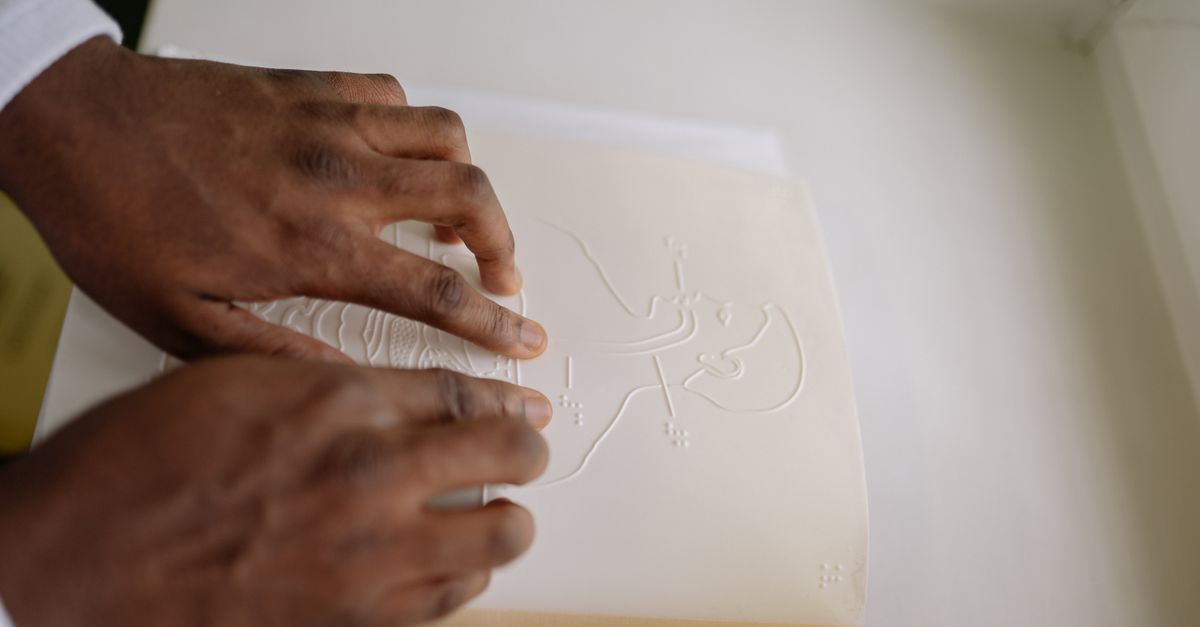
A technical assessment of commercially available tactile sensing technologies for humanoid manipulation, grading claims by verified hardware deployments, detailing specifications, calibration requirements, and India market availability.
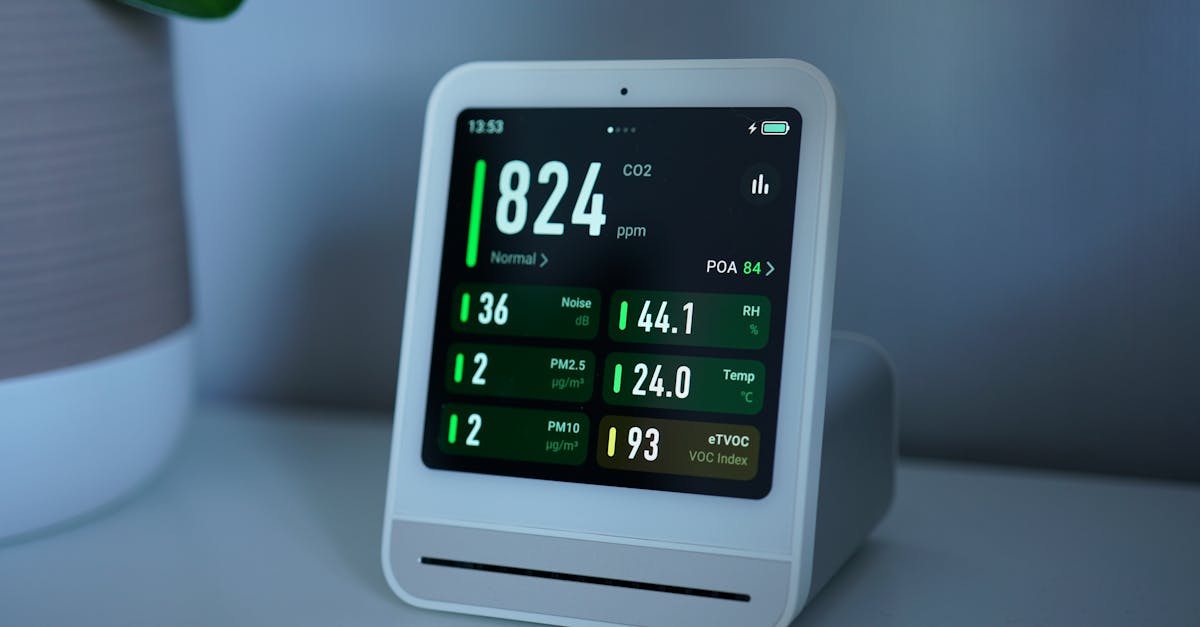
Technical assessment of SLAM & Localisation technologies, focusing on ORB-SLAM, Visual-Inertial Odometry, and modern mapping pipelines. Grounded in deployed hardware, manufacturer specifications, and India market availability.

A grounded assessment of neuromorphic event cameras for high-speed robotics, graded by available hardware, verified deployments, and landed costs in India.
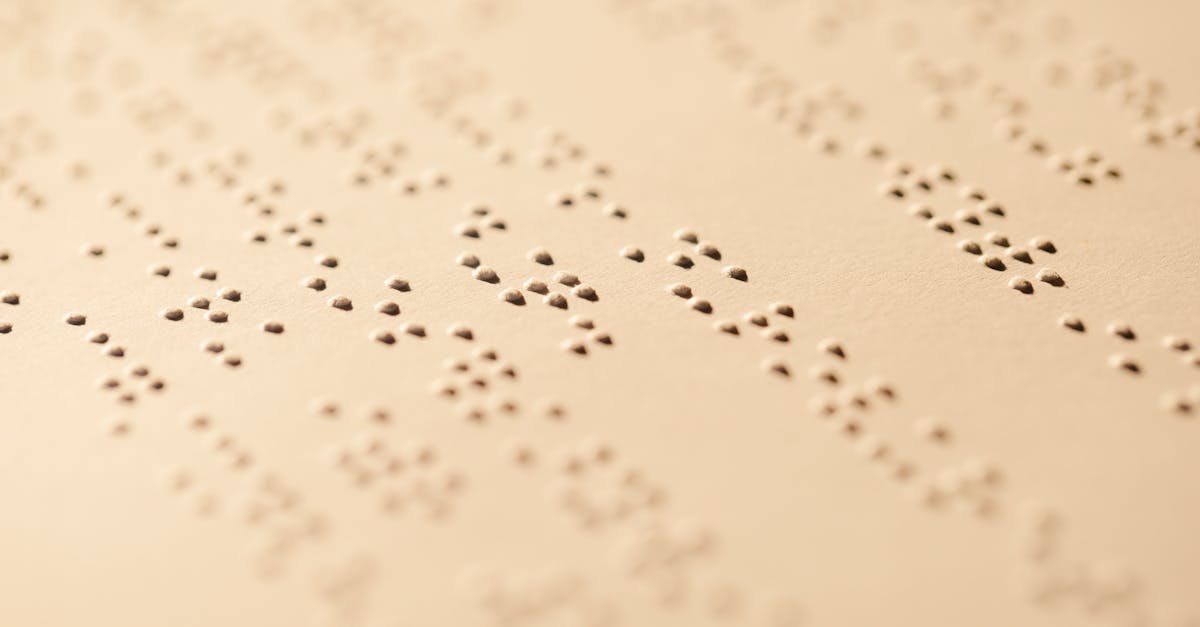
A grounded evaluation of commercial tactile skin technologies, focusing on GelSight’s optical micro-tactile sensors, Schunk’s BioTac electro-haptic array, and scalable capacitive touch arrays. We grade each by verified hardware shipments, pilot deployments, and manufacturer specifications, with specific notes on India availability and approximate INR pricing.