Importing humanoid robots to India: new guide published - RobotWale News
Importing humanoid robots to India: new guide published
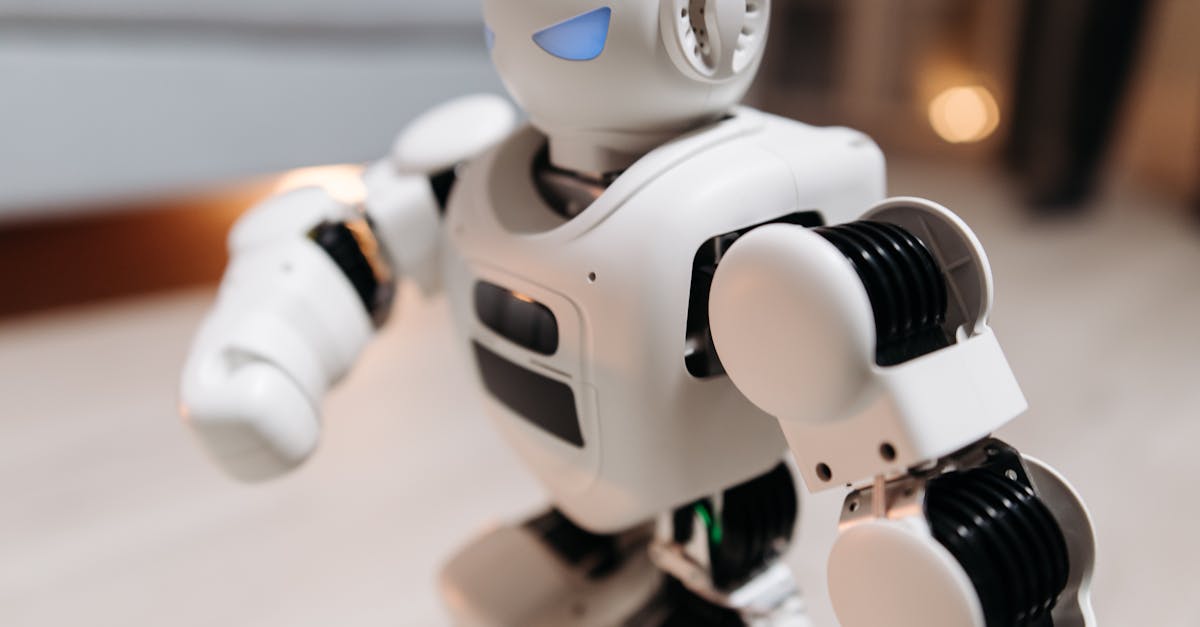
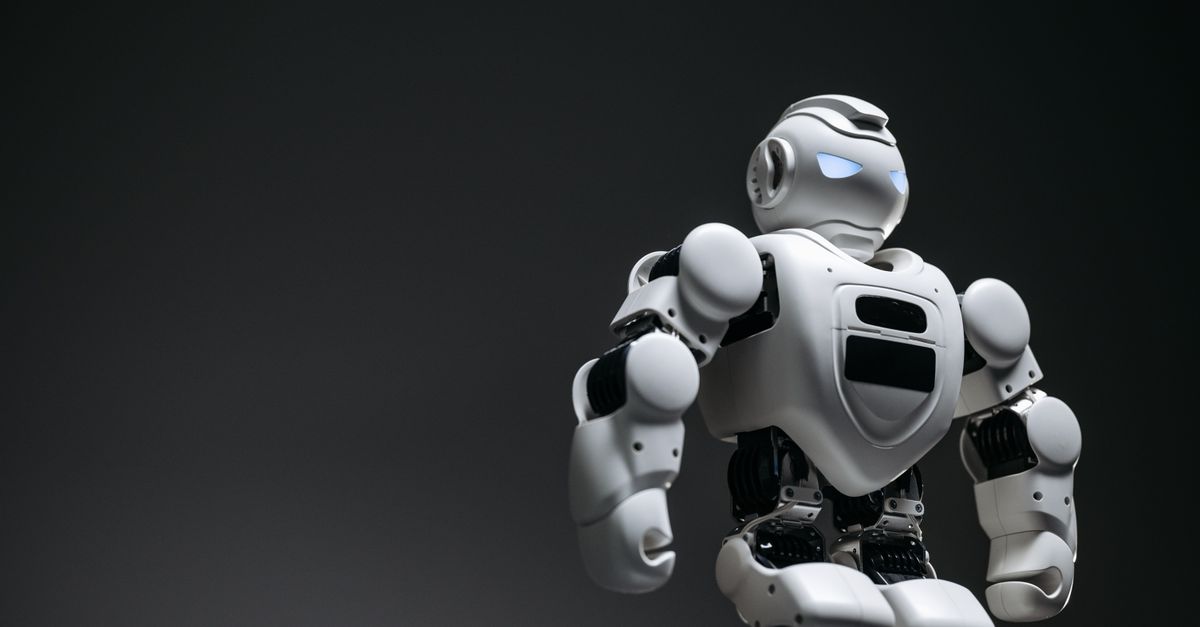
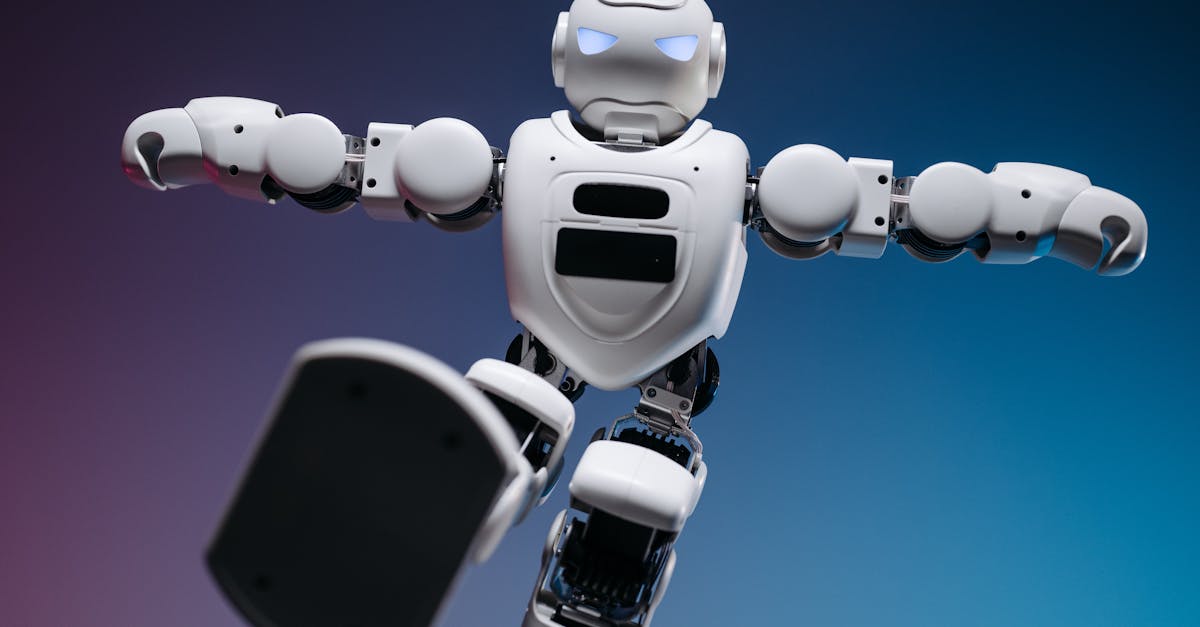
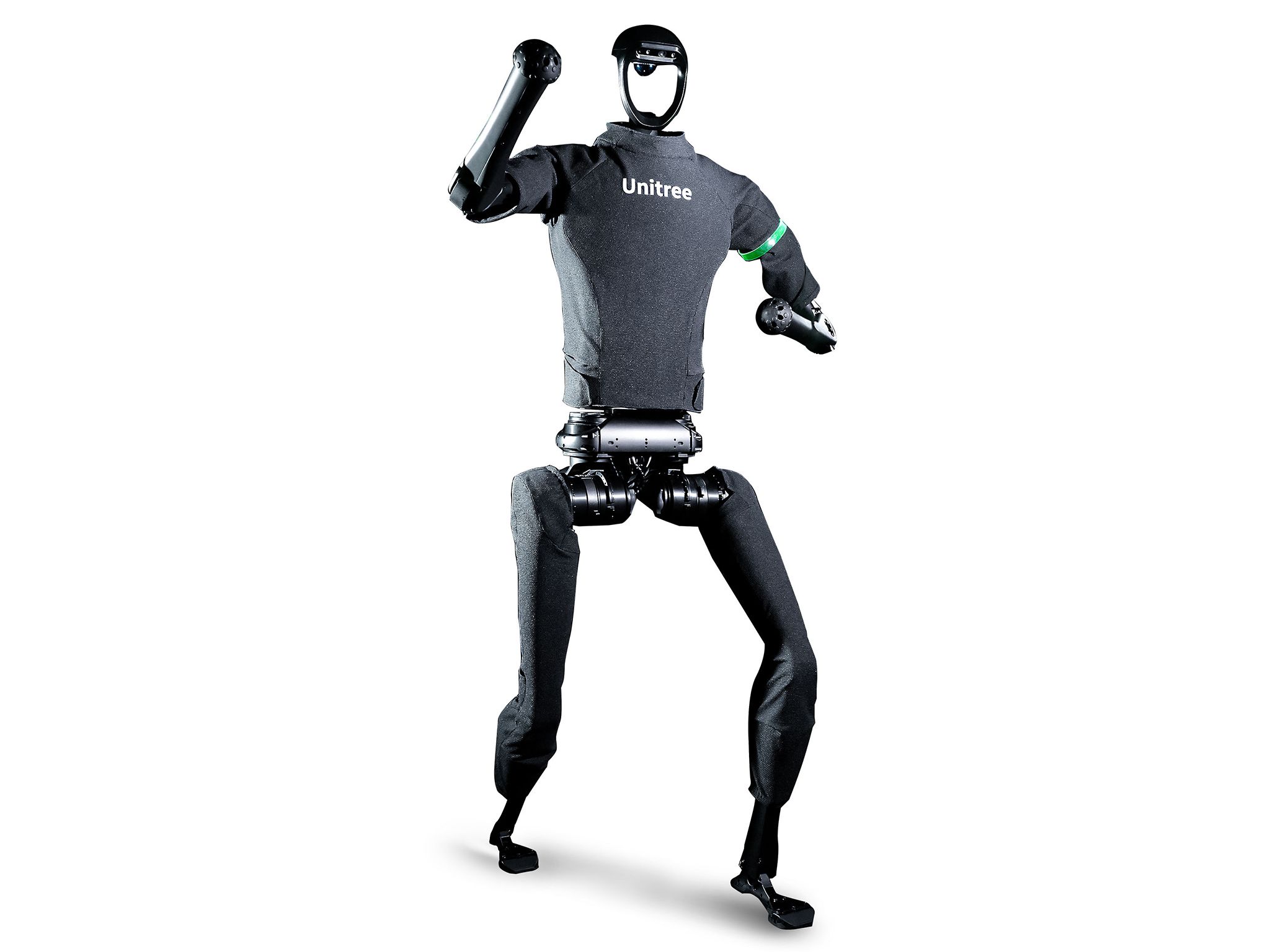
New Delhi: The Bureau of Indian Standards (BIS) has officially released a comprehensive regulatory framework governing the importation and deployment of humanoid robots within India. Announced this week, the new guide aims to standardize safety protocols, ensure data sovereignty, and streamline customs procedures for foreign manufacturers looking to enter the Indian market.
The document, titled the "Humanoid Robotics Import and Certification Framework 2024," outlines mandatory compliance requirements for all non-domestic entities seeking to sell humanoid machines in India. This move comes as the country anticipates a surge in demand for automation in manufacturing and healthcare sectors over the next fiscal year. Officials state that the framework is designed to protect Indian consumers while fostering a competitive environment for local startups.
According to the new guidelines, importers must adhere to strict safety criteria regarding physical interaction, particularly in facilities where humans and robots work in close proximity. Key areas of focus include emergency stop mechanisms, AI decision-making transparency, and secure data storage protocols to align with India's Digital Personal Data Protection Act.
Industry experts suggest that the new guide could impact the pricing of advanced humanoid robots initially. With the added certification costs and compliance testing, the landed price of imported units may see a marginal increase of approximately 5% to 8% compared to previous years. However, the government has indicated that these costs may be offset by tax incentives for manufacturers who establish assembly lines within India under the Production Linked Incentive (PLI) scheme.
Key highlights of the new guide include:
- Compulsory BIS Certification: All humanoid robots entering India must undergo rigorous testing at authorized Indian laboratories before customs clearance.
- Data Localization: Critical operational data generated by the robots must be stored on servers physically located within India.
- Liability Framework: Clear definitions of liability have been established in cases of malfunction or accidents involving imported humanoid units.
- Timeline for Compliance: Foreign manufacturers are given a six-month grace period to comply with the new standards from the date of notification.
Speaking on the initiative, a spokesperson for the Ministry of Heavy Industries noted that the regulation is not intended to create trade barriers but to ensure the safety of Indian workers and citizens. "We are opening the doors for technology, but we must ensure the infrastructure is robust enough to handle it responsibly," the spokesperson stated.
The release of this guide coincides with India's growing ambition to become a global manufacturing hub for robotics. Several major international players have already expressed interest in adapting their products to meet the new BIS standards to secure a foothold in the Indian market. The next review meeting is scheduled for next month to assess early feedback from industry stakeholders.
For Indian businesses, the clarity provided by this guide is expected to reduce ambiguity regarding import duties and compliance. With the humanoid robot market projected to grow by 15% annually in India, this regulatory framework sets the stage for a more organized and secure expansion of the sector over the coming years.
More in Reviews & Opinion