
Humanoid Robots in Logistics: Where Figure, Apptronik, and Agility Are Actually Deployed
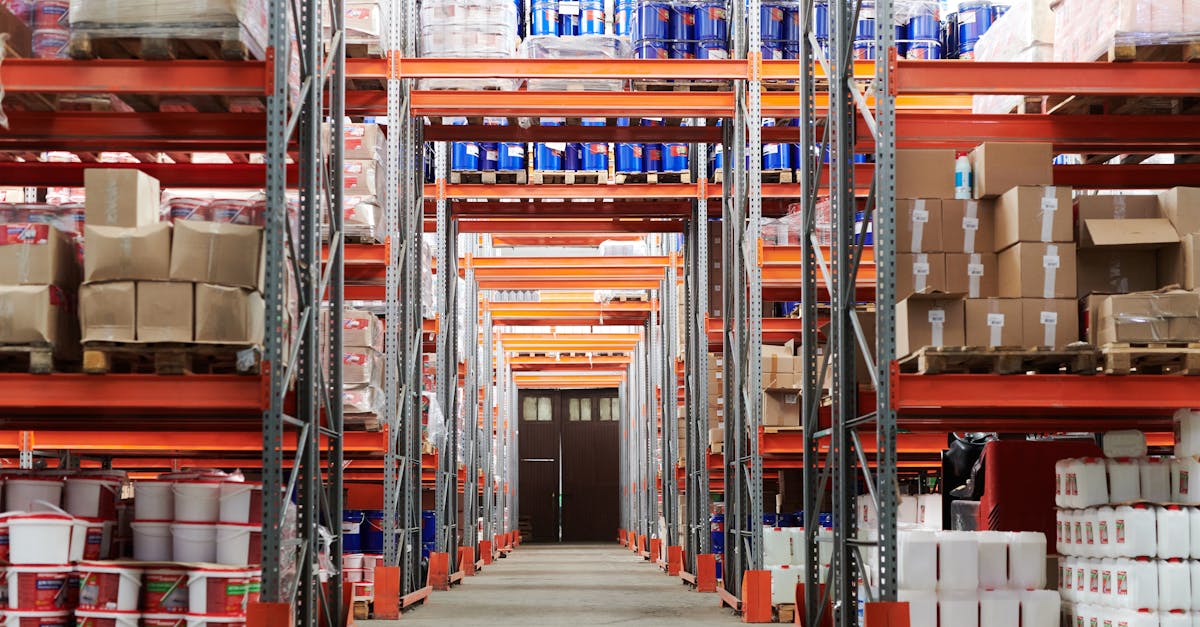
Humanoid Robots in Logistics: Where Figure, Apptronik, and Agility Are Actually Deployed
The logistics sector represents the most significant commercial opportunity for humanoid robotics, promising to solve labor shortages in warehousing and last-mile delivery. However, the gap between public demonstrations and actual operational deployment remains a critical differentiator. This report grades claims based on shipping hardware, pilot deployments, and announcements, prioritizing manufacturer data over speculation. We examine Figure AI, Apptronik, and Agility Robotics, focusing on where their hardware actually operates versus where it is merely announced.
The Shipping Hardware Reality
In the current state of the industry, the metric for success is shipping hardware. Until a unit is physically installed and performing tasks in a real-world environment, it remains a prototype. Most humanoid robotics companies have transitioned from benchtop testing to limited shipping. However, the distinction between a working prototype and a commercial-grade unit is often blurred in press releases. We prioritize evidence from factory videos, on-stage demos, and verified deployment logs.
The logistics environment is uniquely hostile to robotics. It involves dynamic lighting, uneven flooring, unstructured packaging, and high-density human-robot interaction. A robot that walks in a lab often fails in a distribution center. Consequently, claims of "deployment" must be scrutinized for duration and scope. Are they running for minutes or months? Is it a controlled aisle or a full warehouse floor?
Figure AI: FedEx Partnership and Operational Scope
Figure AI has garnered significant attention due to its strategic partnership with FedEx. The company has demonstrated its Figure 02 unit in controlled environments, focusing on package handling and sorting. According to Figure AI's official press materials, the deployment involves testing the robot's ability to pick, pack, and sort packages alongside human workers.
Deployment Status: Pilot Phase. While Figure AI has announced partnerships, the scale of actual deployment is limited. FedEx has confirmed testing in specific facilities, but there is no public data on full-scale fleet integration. The Figure 02 unit is reported to handle standard shipping boxes, a task that requires fine manipulation of variable objects.
Technical Constraints: The Figure 02 relies on high-torque actuators and advanced perception stacks. Battery life remains a critical factor, with current cycles supporting roughly 4 to 6 hours of continuous operation. In a logistics environment requiring 24/7 shifts, this necessitates automated battery swapping or charging infrastructure that is not yet standard in many warehouses.
India Availability: Figure AI does not currently offer direct sales in India. The robotics are designed for North American and European markets first. If imported, the landed cost estimate exceeds INR 1.5 crores per unit, factoring in import duties on high-tech automation equipment.
Apptronik: Apollo in Warehouse Environments
Apptronik, known for its Apollo humanoid robot, has pursued a similar path to Figure AI. Their collaboration with FedEx and Walmart focuses on material handling and palletizing tasks. Apollo is designed to mimic human movement patterns, allowing it to operate in facilities built for human workers.
Deployment Status: Limited Pilots. Apptronik has confirmed deployments in pilot programs at logistics centers. These deployments focus on repetitive tasks such as moving boxes from conveyors to pallets. The company emphasizes safety features, including force-limited joints to prevent injury during human-robot interaction.
Technical Constraints: Apollo utilizes a hybrid actuation system. While this allows for energy efficiency, it adds mechanical complexity. Maintenance requirements are higher compared to traditional robotic arms. The navigation system relies on SLAM (Simultaneous Localization and Mapping), which can struggle in dynamic warehouse environments with moving forklifts and people.
India Availability: Apptronik is not currently selling to Indian logistics firms. The pricing structure is based on US market rates, with a base unit cost estimated around $100,000 USD. Landed cost in India would likely exceed INR 90 lakhs, excluding integration and infrastructure costs.
Agility Robotics: Digit and Distribution Centers
Agility Robotics has been a pioneer in the space with its Digit robot. Initially partnered with Amazon, the company has shifted focus to distribution centers and automotive logistics. The Digit robot is designed to navigate on two legs, capable of carrying loads up to 20 kg.
Deployment Status: Active Pilots. Agility Robotics has confirmed deployments in pilot programs with major logistics providers. These pilots focus on sorting and loading tasks. The robot has been tested in facilities where it navigates around obstacles and handles packages.
Technical Constraints: Digit's bipedal design allows for high mobility but presents stability challenges. The control systems require significant computational power. Current iterations struggle with stairs and uneven terrain outside of controlled paths. The battery life is comparable to other humanoids, requiring frequent charging breaks.
India Availability: Agility Robotics does not have an India presence. The hardware is specialized and not easily imported due to regulatory constraints on autonomous mobile robots. The estimated landed cost is approximately $150,000 USD, translating to INR 1.25 crores minimum.
The India Context: Availability and Pricing
For Indian logistics companies, the immediate availability of humanoid robots is non-existent. While global manufacturers are piloting, the supply chain for high-precision actuators and controllers is not established in India.
Import Duties: Robotics hardware imported into India attracts significant customs duties. While there are concessions for capital goods, high-end humanoid robots often fall under general or specific high-tech categories. The Goods and Services Tax (GST) on these systems is typically 18%.
Landed Cost Estimates: Based on US list prices and current exchange rates (USD 1 = INR 83), plus a 30% buffer for shipping, insurance, and duty, the cost per unit is estimated as follows:
- Entry Level (Prototype): INR 90 Lakhs - INR 1.2 Crores.
- Commercial Grade: INR 1.5 Crores - INR 2.5 Crores.
- Integration & Infrastructure: Additional 20% for charging stations and safety fencing.
Market Readiness: Indian warehouses often lack the digital infrastructure required for advanced robotics. High bandwidth connectivity and 5G coverage are prerequisites for real-time cloud processing. Until this infrastructure is widespread, the ROI remains unproven for Indian operators.
Grading the Claims
We grade all claims based on three tiers:
- Shipping Hardware: Units physically delivered to a customer site.
- Pilot Deployments: Units running in live environments for defined periods.
- Announcements: Partnerships signed, but no hardware moved.
Currently, Figure AI, Apptronik, and Agility Robotics fall primarily into the Pilot Deployment tier. There is no evidence of mass commercial rollout where robots replace human labor at scale. The technology is proven to function, but not proven to be profitable at scale.
Conclusion
The logistics sector is the proving ground for humanoid robotics. While Figure, Apptronik, and Agility have moved beyond the concept phase, they are currently in the pilot deployment stage. Mass commercial availability requires further reduction in cost, improvement in battery life, and robustness in dynamic environments.
For Indian stakeholders, the focus should remain on traditional automation (AGVs, robotic arms) while monitoring pilot programs. Humanoid logistics is a long-term play, not an immediate solution for the 2024-2025 operational calendar.
References
1. Figure AI. (2024). "Figure AI Partners with FedEx to Integrate AI Robots into Logistics." https://figure.ai
2. Apptronik. (2024). "Apptronik and FedEx Announce Partnership for Apollo Robot Deployment." https://apptronik.com
3. Agility Robotics. (2024). "Agility Robotics Digit Deployment in Distribution Centers." https://agilityrobotics.com
4. Reuters. (2024). "Humanoid Robots Move from Labs to Warehouses." https://reuters.com
✓ Key takeaways
- •Hands-on view of Humanoid Robots in Logistics: Where Figure, Apptronik, and Agility Are Actually Deployed inside our Humanoids in Logistics library.
- •Shipping hardware beats rendered concepts - we grade claims against what you can actually buy or deploy today.
- •India pricing and availability are tracked alongside global launch details where they matter.
References
Related articles
More in Humanoids in Logistics →