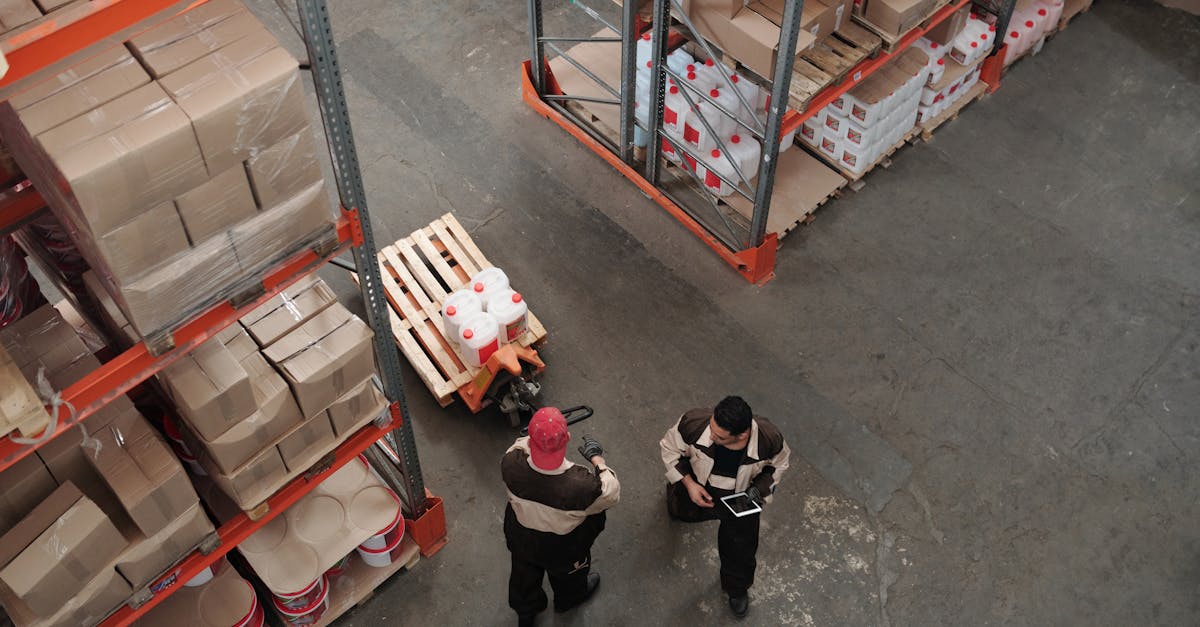
Humanoids in Logistics: Where Figure, Apptronik, and Agility Are Actually Deployed
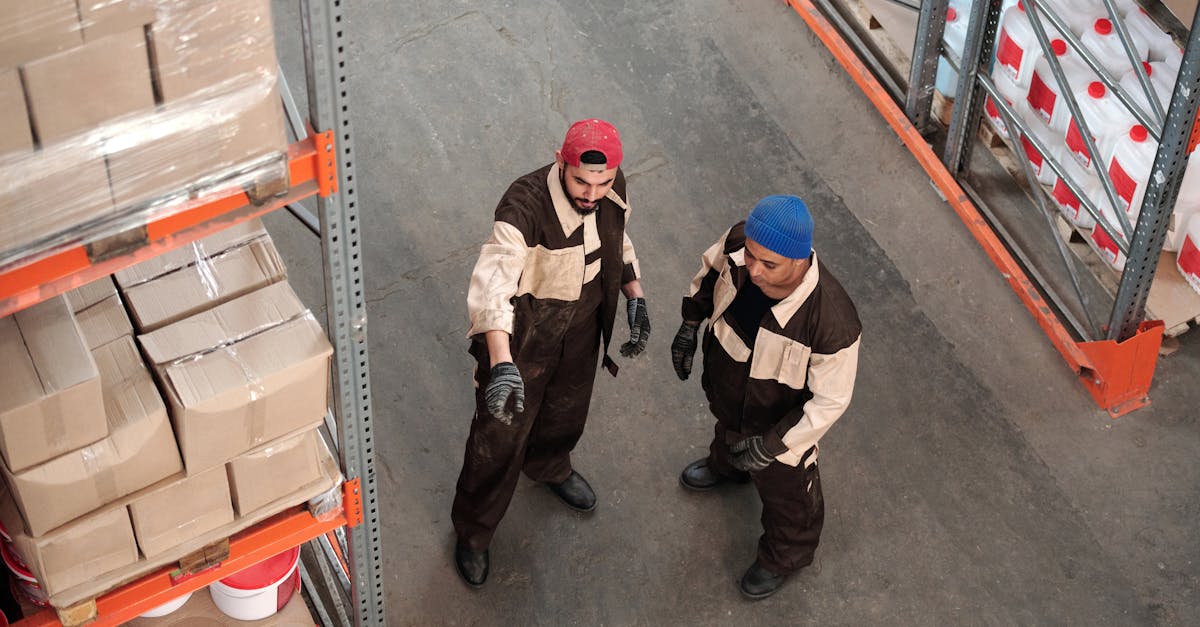
The Logistics Promise vs. The Warehouse Reality
Robotics in the supply chain has long been defined by the trade-off between throughput and flexibility. Autonomous Mobile Robots (AMRs) dominate warehouse floors because they are fast, reliable, and operate in structured environments. Humanoid robots, conversely, promise to integrate into existing infrastructure designed for humans without expensive retrofitting. However, as of late 2024, the narrative of mass deployment in logistics remains in the transition phase between prototype demonstration and commercial viability.
RobotWale's editorial stance prioritizes shipping hardware over concept renders. While headlines often suggest humanoid robots are working alongside humans on an assembly line, the reality is a complex mix of pilot programs, limited-scale testing, and significant engineering hurdles regarding battery life, dexterity, and safety certification. This article audits the three most prominent players—Figure Robotics, Apptronik, and Agility Robotics—specifically regarding their claims in logistics and warehouse automation.
Figure Robotics: The BMW Partnership
Deployment Status
Figure Robotics has secured one of the most high-profile partnerships in the industry with BMW. The collaboration focuses on the Figure 01 and subsequent Figure 02 models to assist in the production and logistics workflow within BMW manufacturing facilities.
According to press materials released in 2024, Figure has completed pilot deployments at BMW plants. The reported scope involves tasks such as inspecting vehicle components and moving parts between stations. However, the company has not released independent third-party data confirming full-scale production throughput rates. The primary focus remains on safety validation and operator interaction within a controlled environment.
Key Metrics:
- Hardware: Figure 01/02 (Electric actuation).
- Location: BMW Manufacturing Plants (Global).
- Task: Component handling, inspection assistance.
- Status: Pilot/Early Deployment.
While the partnership validates the technical capability to operate in a high-stakes manufacturing environment, it does not yet equate to mass logistics deployment. The robot is currently operating under close supervision, and the uptime statistics (percentage of time the robot is actively working vs. waiting for charging or maintenance) are not publicly audited.
Apptronik: Apollo and Amazon
Deployment Status
Apptronik, backed by Amazon, is developing the Apollo humanoid robot with a specific focus on warehouse logistics. Amazon's investment signals a serious intent to replace or augment labor in high-volume distribution centers.
Apptronik has demonstrated Apollo moving totes and handling boxes. The distinct advantage here is the hardware design, which prioritizes the ability to navigate standard racking systems. In demonstrations, Apollo has been shown stacking totes onto pallets, a task that requires significant dexterity and balance.
Key Metrics:
- Hardware: Apollo (Hydraulic/Electric hybrid).
- Location: Amazon Fulfillment Centers (Pilot Sites).
- Task: Tote handling, palletizing, box moving.
- Status: Pilot/Deployment Testing.
Unlike general manufacturing, warehouse logistics demands higher repetition and speed. Apptronik's claims regarding the speed of tote movement are currently based on controlled demos rather than continuous 12-hour shifts. The lack of public uptime data remains a critical gap for logistics managers evaluating Total Cost of Ownership (TCO).
Agility Robotics: Digit and Palletizing
Deployment Status
Agility Robotics has been in the field longer than its competitors, with the Digit robot focusing on logistics tasks such as palletizing and loading trucks. Their partnership with DHL and Amazon highlights the robot's ability to perform heavy lifting and repetitive motion tasks.
Digit's deployment in logistics has been particularly notable for its focus on the "last mile" of the warehouse. The robot is designed to stack boxes onto pallets and load them into containers. In 2024, Agility reported ongoing deployments in logistics centers, though specific volume metrics (units per hour) remain proprietary.
Key Metrics:
- Hardware: Digit (Hydrostatic actuation).
- Location: DHL Logistics Centers, Amazon Kiva environments.
- Task: Palletizing, container loading.
- Status: Active Pilot/Commercial Pilot.
Agility's approach emphasizes safety and compliance. The robot is rated to operate in shared spaces with humans, which is a prerequisite for warehouse integration. However, the hydraulic system adds weight and complexity, potentially impacting the speed of movement compared to electric-only alternatives.
The Logistics Reality Check
Throughput vs. Flexibility
The core value proposition of humanoids in logistics is flexibility. A standard AMR can move a box from A to B, but it cannot easily fold clothes, stack irregularly sized boxes, or navigate a cluttered aisle designed for human ergonomics. Humanoids offer the potential to handle these edge cases.
However, the trade-off is significant. Humanoid robots currently operate at a fraction of the speed of AMRs. In a warehouse where efficiency is measured in lines per hour, a robot that can move 10 units per hour but is highly flexible may not be economically viable compared to a robot that moves 60 units per hour but is less adaptable.
Current deployments are largely constrained to "low-volume, high-mix" scenarios. This means the robots are used for tasks that are difficult to automate (like inspecting complex parts) rather than high-volume box moving where traditional robotics excel.
Safety and Certification
Warehouse deployment requires adherence to strict safety standards (such as ISO 10218 and ISO/TS 15066). Humanoids operating near humans require robust collision detection and emergency stop mechanisms. The pilot deployments mentioned above are operating under the assumption of these safety protocols being in place, but the cost of retrofitting a warehouse to accommodate these safety requirements is often overlooked in press releases.
India Context: Availability and Pricing
Market Entry Barriers
For Indian logistics managers and facility owners, the immediate availability of Figure, Apptronik, or Agility robots is non-existent. These units are not available through standard Indian e-commerce channels or local distributors. They are bespoke industrial machines requiring direct engagement with the manufacturer.
Estimated Pricing:
- Capital Expenditure (CAPEX): The base price for a humanoid robot unit is estimated between $100,000 and $200,000 USD (approx. ₹83 Lakhs to ₹1.65 Crores INR).
- Landed Cost: With Indian import duties (typically 10-15% for robotics, plus GST), the cost rises to approximately ₹1.1 Crores to ₹1.8 Crores INR per unit.
- Service & Maintenance: Annual service contracts often run 10-15% of the CAPEX, requiring specialized technicians often based in the US or Europe.
Note: These estimates are based on industry averages for advanced humanoid hardware and do not include specific customization fees or integration costs required for Indian warehouse environments.
Regulatory Landscape
India's regulatory framework for autonomous mobile robots is evolving. While there is no specific ban on humanoid deployment, the lack of clear safety certification standards for humanoid robots operating in shared spaces creates a compliance risk for Indian manufacturers. Furthermore, the import of advanced robotics components may attract higher duties under the current Digital Goods and Services Tax (DGST) framework if deemed as software-heavy hardware.
The Path to Adoption
For Indian logistics companies, the path forward involves starting with pilots. A pilot program typically involves leasing a unit for 3 to 6 months to validate throughput and safety. This reduces the initial CAPEX risk. However, the ROI (Return on Investment) calculation remains challenging given the high cost per unit and the slower speed compared to traditional AMRs.
Until the cost drops below ₹50 Lakhs INR per unit and the uptime exceeds 90%, these robots will remain in the pilot phase for Indian logistics firms. The technology is maturing, but the economic model is not yet proven for mass adoption in India.
Conclusion
The deployment of Figure, Apptronik, and Agility in logistics is a significant milestone in robotics history, but it is not yet a revolution in warehouse throughput. These companies have successfully demonstrated that their hardware can function in a warehouse environment, but the scale of that deployment remains limited.
For the Indian market, the near future will likely see these companies establishing partnerships with local integrators to handle import duties and service requirements. Until then, the "shipping hardware first" rule applies: wait for the deployment data to be audited by third parties before making capital allocation decisions.
The logistics industry does not need more hype; it needs verified uptime, verified safety, and verified cost reduction. We are watching these companies deliver on those metrics closely.
References
- Figure Robotics. "Figure 01 and BMW Partnership." figure.ai
- Apptronik. "Apollo: The Humanoid Robot for Logistics." apptronik.com
- Agility Robotics. "Digit: A Humanoid Robot for Logistics." agilityrobotics.com
- TechCrunch. "Figure Robotics raises funding for humanoid robot deployment." techcrunch.com
- Reuters. "Amazon invests in Apptronik for warehouse automation." reuters.com
✓ Key takeaways
- •Hands-on view of Humanoids in Logistics: Where Figure, Apptronik, and Agility Are Actually Deployed inside our Humanoids in Logistics library.
- •Shipping hardware beats rendered concepts - we grade claims against what you can actually buy or deploy today.
- •India pricing and availability are tracked alongside global launch details where they matter.
References
Related articles
More in Humanoids in Logistics →