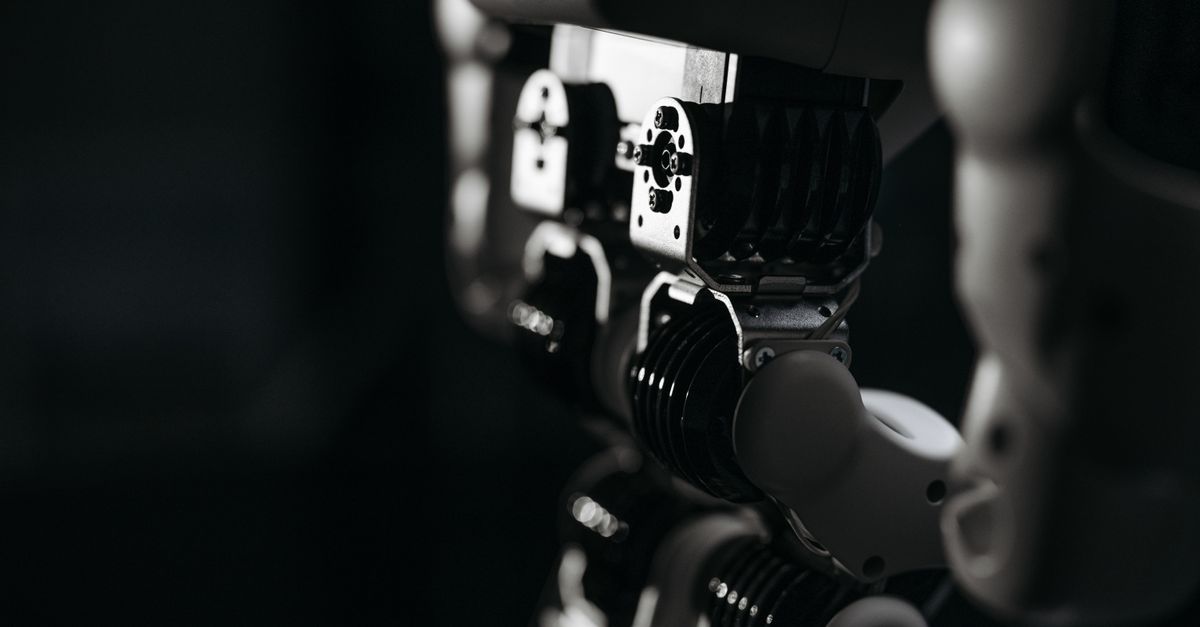
Boston Dynamics: The Hyundai Transition and Commercial Reality
Boston Dynamics: The Hyundai Transition and Commercial Reality
When Boston Dynamics was acquired by Hyundai Motor Group in August 2021 for approximately $1.1 billion, the robotics community anticipated a significant shift in deployment strategy. For years, the company operated under Google (Alphabet) and SoftBank Robotics, environments where R&D often outpaced commercial viability. The Hyundai acquisition marked a pivot toward industrial application, leveraging Hyundai’s vast manufacturing footprint to integrate Boston Dynamics’ locomotion technology into heavy machinery and logistics.
However, in the robotics industry, ‘ready to ship’ and ‘in development’ are often blurred by marketing materials. At RobotWale, we grade claims by shipping hardware first, pilot deployments second, and announcements last. This assessment focuses strictly on what Boston Dynamics is currently delivering versus what remains in the demonstration phase.
Spot: The Commercial Workhorse
The Spot quadruped robot is the only Boston Dynamics product with a clear commercial footprint as of 2024. Unlike the humanoids often seen in viral videos, Spot is an industrial tool designed for inspection, surveying, and hazardous environment monitoring. The latest iterations, including Spot with the Spot SDK 5.0, are designed for third-party integration.
Spot’s hardware specifications are grounded in engineering reality rather than concept art. The standard Spot unit weighs approximately 31 kilograms and can carry payloads up to 14 kilograms. It features a high-resolution depth camera, a thermal sensor option, and an articulated neck that allows for 360-degree viewing angles. The battery life typically ranges from 90 minutes to 120 minutes per charge, depending on the operational load and terrain.
In terms of autonomy, Spot operates on a perception stack that allows for SLAM (Simultaneous Localization and Mapping) navigation. It can operate in GPS-denied environments, such as underground tunnels or dense industrial facilities. The robot is IP54 rated, meaning it is protected against dust and water splashes, making it suitable for outdoor construction sites or outdoor energy inspections.
Commercial availability is the key differentiator here. Spot is sold as a unit with a subscription model for the Spot Cloud platform, which handles fleet management and data analytics. While exact pricing varies based on the sensor payload configuration, the landed cost for a base unit typically exceeds $75,000 USD. For Indian enterprises, this translates to a significantly higher price point when factoring in import duties and GST.
Use cases where Spot is actively deployed include:
- Energy Sector: Inspecting oil rigs, wind turbines, and solar farms for structural integrity.
- Construction: Scanning job sites to track progress and safety compliance.
- Manufacturing: Quality control inspection in automated factories.
Atlas: Prototype to Product?
The Atlas humanoid robot represents a different category of classification. For years, Atlas has been the flagship demonstration of Boston Dynamics’ motion control capabilities. However, the transition from a hydraulic prototype to an electric, commercially viable humanoid remains in the early stages of maturity.
Until recently, Atlas was powered by hydraulic actuators, which offered high power density but required complex maintenance and were energy-intensive. The current generation of Atlas has shifted to electric actuators, a move critical for commercial viability due to reduced maintenance costs and improved energy efficiency. Despite this technical pivot, widespread deployment is not yet a reality.
The primary challenge for Atlas is the complexity of bipedal locomotion in unstructured environments. While Boston Dynamics has successfully demonstrated backflips, parkour, and object manipulation in controlled settings, the reliability required for industrial labor remains a hurdle. The company’s focus on the ‘Atlas D1’ (Development 1) variant suggests a focus on R&D data gathering rather than immediate fleet deployment.
There is no public price list for Atlas, and the robot is not currently being sold as a standalone unit. Instead, it appears to be used for internal development and selective partnership pilot programs. For the Indian market, the absence of a commercial SKU means no landed cost estimate can be provided at this time. Importing a prototype unit would likely require specialized industrial licensing and would not qualify for standard robotics duty exemptions.
Hyundai Motor Group Integration
The acquisition by Hyundai Motor Group has brought Boston Dynamics into a broader ecosystem. Hyundai’s strategic intent is clear: to integrate Boston Dynamics’ mobility solutions into heavy-duty vehicles, such as the Hyundai Robotics division’s industrial manipulators and autonomous delivery platforms.
This integration aims to solve the ‘last meter’ problem in logistics. While autonomous mobile robots (AMRs) can navigate factory floors, the ability to manipulate objects in unstructured environments remains the domain of Boston Dynamics. The synergy between Hyundai’s manufacturing scale and Boston Dynamics’ motion software is intended to accelerate the production of humanoid robots.
However, investors must distinguish between the integration of technology and the release of products. Hyundai has confirmed plans to invest in humanoid robotics, but the timeline for mass production remains undefined. The focus remains on the Spot quadruped for immediate revenue generation while Atlas matures.
India Market Entry: Barriers and Pricing
For Indian enterprises interested in Boston Dynamics hardware, the regulatory landscape presents significant challenges. India’s Robotics Policy 2023 encourages local manufacturing, but importing finished high-tech robotics hardware attracts substantial duties.
According to the current Customs Tariff Act, imported robotics systems often fall under HS Code 8479 (Machines and mechanical appliances having individual functions). The Basic Customs Duty (BCD) is typically around 10%, with an additional Social Welfare Surcharge of 10% on the BCD. When combined with the 18% GST, the effective tax rate on a $75,000 Spot unit can exceed 40%.
Furthermore, there are import restrictions on high-end sensors and specific motion control components. Companies importing robots must comply with the Bureau of Indian Standards (BIS) certification requirements, which can delay deployment by months. The DGFT (Directorate General of Foreign Trade) also monitors the import of dual-use technologies, which could affect the licensing of advanced autonomy software.
Approximate Landed Cost Estimate (India):
- Base Spot Unit: $75,000 USD
- Freight & Insurance: $3,000 USD
- Customs Duty (approx 10%): $7,800 USD
- GST (18% on duty-inclusive value): $16,000 USD
- Total Estimated INR Cost: Approx ₹75 Lakhs to ₹80 Lakhs (Subject to fluctuation)
For Atlas, the cost is non-existent in the commercial market. If a prototype were imported for R&D, the cost would be prohibitive and non-depreciable under standard corporate asset rules.
Conclusion
Boston Dynamics remains a technical leader in the robotics sector, but its commercial maturity varies by product line. The Spot quadruped is a shipping product with verified industrial applications, whereas the Atlas humanoid remains a high-fidelity prototype with no commercial pricing. The Hyundai Motor Group acquisition provides the capital and manufacturing scale necessary for future growth, but the timeline for mass production of humanoid robots is not yet defined.
For Indian buyers, the path forward requires careful budgeting for import duties and regulatory compliance. While the technology is impressive, the business case for Spot is stronger than that of Atlas in the current market cycle. Until Atlas moves from demonstration to deployment, Boston Dynamics is best evaluated through the lens of its quadruped offerings.
References
The information in this article is derived from the following sources:
✓ Key takeaways
- •Hands-on view of Boston Dynamics: The Hyundai Transition and Commercial Reality inside our Boston Dynamics library.
- •Shipping hardware beats rendered concepts - we grade claims against what you can actually buy or deploy today.
- •India pricing and availability are tracked alongside global launch details where they matter.
References
Related articles
More in Boston Dynamics →