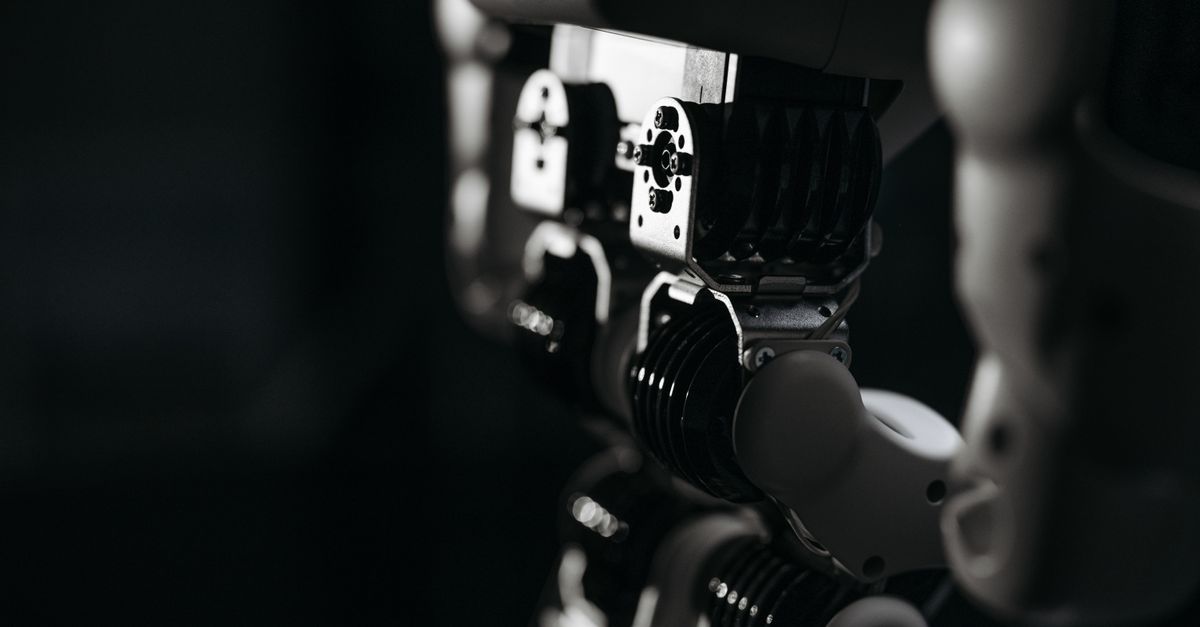
Boston Dynamics Under Hyundai: A Reality Check on Atlas and Spot in India

The Hyundai Acquisition and Strategic Shift
Boston Dynamics has long stood as a benchmark in advanced robotics, transitioning from a DARPA-funded research project to a commercial entity before its acquisition by Hyundai Motor Group in 2020. The $1.1 billion deal was finalized in April 2020, marking a significant pivot from the Google/SoftBank era to heavy industrial integration under Hyundai Robotics. This ownership change has not fundamentally altered the company’s core engineering philosophy, but it has shifted the focus toward scalable manufacturing solutions and long-term deployment pipelines.
While marketing materials often showcase capabilities that appear to leapfrog current commercial reality, the editorial stance of RobotWale.com remains grounded in hardware shipping records. Under Hyundai, the company continues to prioritize hardware reliability over concept hype. However, the timeline for mass adoption remains distinct from consumer robotics timelines. The acquisition aimed to leverage Hyundai’s global supply chain for actuators, sensors, and manufacturing, yet the transition from prototype to production unit remains the critical bottleneck for both Atlas and Spot.
Spot: The Only Shipping Workhorse
The Spot quadruped represents the only Boston Dynamics product currently available for commercial purchase and deployment globally. Unlike the Atlas humanoid, Spot has a track record of actual field operations. The latest iteration, Spot 4.0, features improved battery life, a more robust chassis, and enhanced software APIs for third-party developers. The robot is designed for inspection, safety monitoring, and data collection in hazardous environments such as construction sites, power plants, and mining facilities.
Commercial availability does not imply widespread adoption in India yet. The hardware is real, but the ecosystem is nascent. Spot runs on a proprietary operating system that allows for autonomous navigation, though it often requires human supervision for complex terrain. The pricing structure is significant. In the United States, the base Spot unit ranges from $75,000 to over $100,000 depending on the payload module and software subscriptions. For the Indian market, landed costs must account for customs duties, GST, and logistics.
Estimating the landed cost for an Indian buyer:
- Base Unit (US): Approx. $75,000
- Customs & Duties (India): Approx. 20-30% on robotics hardware
- GST: 18% on the total landed value
- Estimated INR: ₹1 Crore to ₹1.5 Crore per unit
This pricing puts the Spot unit firmly in the enterprise infrastructure category, suitable for large conglomerates, oil and gas firms, or specialized logistics providers. It is not currently a product for small businesses or general public use. Pilot deployments have been reported in the US, Japan, and parts of Europe, but India-specific public data on fleet deployments remains sparse. Companies like Tata and Adani have shown interest in industrial automation, but no confirmed mass-deployment of Spot units in Indian industrial zones has been verified as of early 2024.
Atlas: From Hydraulic to Electric - What is Actually Shipping?
The Atlas humanoid has been the subject of intense speculation. Historically, Atlas was a hydraulic machine capable of parkour and agility. However, the roadmap has shifted toward an all-electric version to improve efficiency and reduce maintenance costs. In 2023, Boston Dynamics unveiled the new electric Atlas prototype, which removed the hydraulic pumps in favor of electric motors for the arms and legs.
Crucially, the electric Atlas is not yet a commercially shipping product. While video demonstrations exist of the robot walking, climbing stairs, and performing push-ups, these are engineering demos rather than production units. The transition from prototype to mass production in the humanoid space is historically fraught. Competitors like Tesla’s Optimus and Figure AI are in similar stages of development. There is no official price for the Atlas, and no confirmed shipment schedule for the commercial version.
The editorial assessment is that the electric Atlas remains a "concept-to-hardware" transition phase. Claims of general-purpose automation are currently unsupported by a shipping list. The robot’s ability to perform complex manipulation tasks is still being validated in controlled environments. For the Indian market, the lack of a price tag and a delivery window makes any investment analysis premature. The technology is real, but the commercial readiness is not. Until Boston Dynamics releases a bill of materials and a commercial pricing structure, the Atlas remains a benchmark for engineering rather than a procurement option.
Pricing and India Availability
India’s robotics market is heavily influenced by import duties and localization policies. The Production Linked Incentive (PLI) scheme aims to boost domestic manufacturing, but most high-end robotics components, including high-torque actuators and LiDAR sensors, are currently imported. This creates a high barrier to entry for products like Spot and the upcoming Atlas.
For Spot, the operational cost in India includes specialized maintenance and technical support, which must be arranged through authorized distributors. Boston Dynamics has not publicly listed an Indian distributor, meaning direct procurement involves international shipping. This adds to the risk profile for Indian buyers who rely on local service support. The hardware is capable of operating in Indian weather conditions, provided the environmental ratings are met (IP54 for Spot), but long-term durability in dusty industrial zones requires verification.
Hyundai’s presence in India through Hyundai Motor India Ltd. (HMIL) does not automatically translate to robotics hardware availability. The two entities operate under different corporate structures. Hyundai Robotics is a separate subsidiary focused on collaborative robots, automated guided vehicles, and the acquisition of Boston Dynamics. Customers must look to the Hyundai Robotics global portal for robotics-specific inquiries rather than the automotive division.
Conclusion
Boston Dynamics remains a leader in hardware engineering, but the gap between demonstration and deployment is widening under the Hyundai umbrella. Spot is the only product with a clear path to revenue, though high costs limit its reach in India. Atlas represents the future potential of humanoid robotics but currently lacks the commercial hardware to support a shipping estimate. For Indian industry stakeholders, the recommendation is to wait for verified pilot deployments before committing to procurement budgets. The technology is impressive, but the business case for automation in India requires more than just hardware capability; it requires cost-effective integration and localized service infrastructure.
Until the electric Atlas ships and Spot pricing stabilizes for the Indian market, these products remain high-end engineering tools rather than mass-market solutions. The focus should remain on the hardware data sheets and independent field reports rather than marketing videos.
✓ Key takeaways
- •Hands-on view of Boston Dynamics Under Hyundai: A Reality Check on Atlas and Spot in India inside our Boston Dynamics library.
- •Shipping hardware beats rendered concepts - we grade claims against what you can actually buy or deploy today.
- •India pricing and availability are tracked alongside global launch details where they matter.
References
Related articles
More in Boston Dynamics →