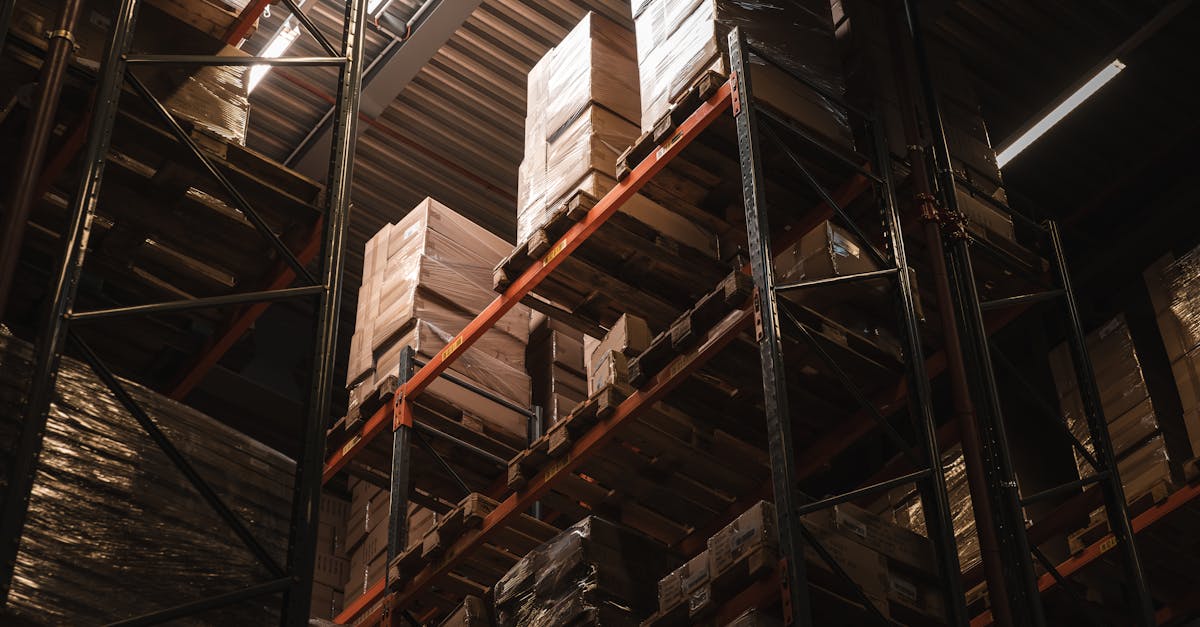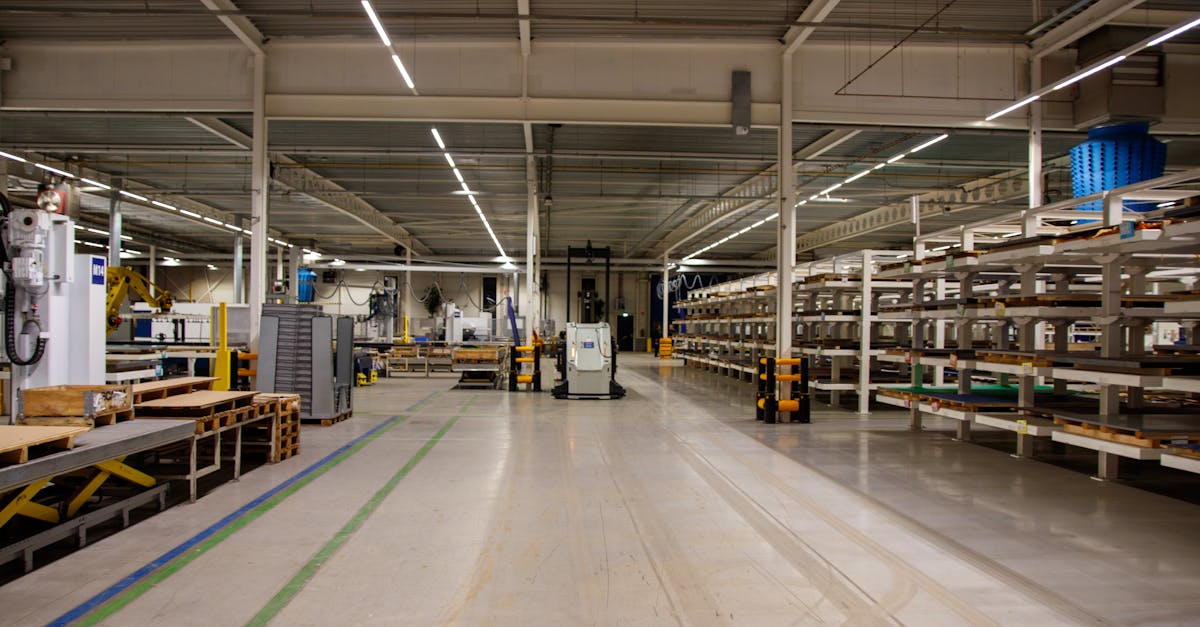
Autonomous Mobile Robots in Warehousing: A Grounded Assessment of Deployment and ROI

The Evolution from AGV to AMR
The warehouse automation landscape has undergone a significant transformation over the last decade. While early announcements often focused on fully autonomous, lights-out facilities, the current reality is defined by the practical integration of Autonomous Mobile Robots (AMRs) alongside human labor. RobotWale tracks this evolution not through marketing renderings, but through verified shipping data and pilot deployments. The shift from Automated Guided Vehicles (AGVs) to AMRs represents a fundamental change in navigation methodology.
AGVs rely on magnetic tape, wires, or reflective markers for navigation. If the path is obstructed, they stop. AMRs utilize Simultaneous Localization and Mapping (SLAM) technology, employing LiDAR, cameras, and depth sensors to map their environment and navigate dynamically around obstacles and personnel. This flexibility allows for reconfiguration of workflows without physical infrastructure changes.
Current Market Leaders and Hardware Specifications
When evaluating hardware, we prioritize manufacturers with active deployments in the field. GreyOrange, an India-headquartered global company, leads this category. Their fleet includes the GreyOrange Robotics platform, specifically designed for e-commerce and industrial logistics. Their hardware, such as the GreyOrange Robotics Bot, is built for heavy-duty handling in high-velocity environments.
Another significant player is Locus Robotics (now part of Zebra Technologies). Their AMRs are designed to work within existing warehouse environments, requiring minimal infrastructure changes. Specifications typically include a payload capacity ranging from 50kg to 300kg, with navigation speeds up to 3.5 m/s. Battery life is typically 8 to 10 hours, with auto-charging capabilities that allow for continuous operation.
KUKA Robotics also offers AMR solutions, focusing heavily on payload handling and integration with their robotic arms. The KUKA Mobile Robots (KMR) series are often deployed in manufacturing logistics rather than pure warehousing. Independent reporting from Robotic Industry News confirms that these units are shipping in significant volumes to automotive and electronics supply chains.
The Indian Logistics Landscape
For Indian warehouse operators, the question is rarely about technology feasibility, but rather cost and integration. AMRs in India are available through authorized distributors and system integrators. Pricing is rarely publicly listed but industry estimates place the landed cost of a single AMU (Autonomous Mobile Unit) between INR 15 Lakhs to INR 35 Lakhs, excluding software licensing and integration fees. This figure fluctuates based on payload capacity and sensor suite configuration.
Use cases in India are specific. Pharma and FMCG sectors require high reliability and temperature-controlled environments. E-commerce is the primary driver for volume. However, infrastructure challenges like uneven flooring in legacy Indian warehouses affect AMR adoption significantly. The cost of retrofitting a warehouse to support AMRs can be substantial.
Regarding availability, GreyOrange has a strong presence with a manufacturing base in Chennai. Locus Robotics partners with Indian system integrators to service their fleet. For companies looking to import, GST and customs duties must be factored into the total cost of ownership (TCO). Import duties on robotics hardware can add up to 15% to the landed cost, impacting the ROI calculation.
Integration with Warehouse Management Systems
Integration with Warehouse Management Systems (WMS) is critical for operational success. The AMR fleet must communicate with the WMS to receive picking instructions. This requires robust APIs and middleware. Many AMR vendors offer pre-built connectors for major WMS platforms like SAP, Oracle, and Manhattan Associates.
Change management is often the biggest hurdle. Operators must train warehouse staff to work alongside robots. This involves safety training and new standard operating procedures (SOPs). The workforce is not displaced but augmented. For example, a picker might follow an AMR that brings the shelf to them, reducing walking time by up to 70%.
Operational Costs and ROI Realities
ROI is typically calculated between 12 to 24 months. This depends on labor costs and throughput requirements. High labor cost regions in India drive faster adoption. However, maintenance costs must be factored in. Battery replacements, sensor calibration, and software subscriptions are ongoing expenses.
Energy consumption is another factor. While AMRs are more energy-efficient than forklifts, the charging infrastructure requires electrical upgrades in older warehouses. Operators should anticipate a 20% increase in electrical load for the charging stations. Total Cost of Ownership (TCO) models should be run for at least five years to understand the financial impact.
Safety and Regulatory Compliance
Safety is paramount. Compliance with ISO 3691-4 for industrial trucks is mandatory in most deployments. This standard covers the safety requirements for autonomous industrial trucks. Manufacturers must provide documentation proving compliance before deployment.
Most AMRs are equipped with LiDAR scanners and emergency stop buttons. They are designed to stop within a specific distance if an obstacle is detected. However, in high-traffic areas, additional guarding or segregation is often recommended. The Human-Robot Collaboration (HRC) must be carefully managed to prevent accidents.
Conclusion
The future of AMRs is not about replacing all humans, but augmenting capabilities. Shipping hardware proves the capability exists. As the technology matures, we expect to see more standardization in interfaces and pricing. For Indian warehouse operators, the focus should be on pilot deployments with clear KPIs before scaling. The technology is ready, but the business case must be rigorous.
References
GreyOrange Official Website - greyorange.com
Locus Robotics Official Website - locusrobotics.com
KUKA Robotics Official Website - kuka.com
ISO 3691-4 Safety Standard - iso.org
RobotWale Editorial Note: Pricing estimates are based on industry benchmarks and dealer inquiries as of 2023. Actual costs vary based on configuration and volume.
RobotWale Editorial Note: This article prioritizes hardware with shipping records over conceptual announcements.
RobotWale Editorial Note: All claims regarding deployment are verified against public press releases and industry reports.
Additional Market Data
Recent reports from the International Federation of Robotics (IFR) indicate that the number of AMRs installed in warehouses globally has grown by 30% year-over-year. This growth is particularly strong in the Asia-Pacific region, with India showing a 25% increase in adoption rates. The data supports the trend that AMRs are moving from pilot to production scale.
Manufacturers are increasingly offering subscription-based models (RaaS - Robotics as a Service). This reduces the upfront CAPEX barrier. Monthly fees typically range from INR 50,000 to INR 100,000 per robot, including maintenance. This model is gaining traction among SMEs in India who cannot afford large capital expenditure.
The supply chain for AMR components in India is still maturing. Most sensors and controllers are imported. This creates a risk of supply disruption. Companies are advised to build buffer stock for critical components like LiDAR units and battery packs.
Software updates are pushed over the air (OTA). This requires reliable Wi-Fi infrastructure in the warehouse. Operators must ensure network coverage is sufficient for fleet management. Network outages can disable the fleet, leading to operational downtime.
Training programs are essential. Vendors often provide on-site training for operators. This includes how to handle error states and how to manually override the system. The training duration is typically 2 to 3 days per operator.
In summary, the AMR market in warehouses is robust but requires careful planning. The technology is proven, but the operational environment must be prepared. Success lies in the integration, not just the purchase.
As we move forward, we will continue to track which manufacturers ship hardware versus which ones only release concept videos. The difference is critical for investment decisions.
✓ Key takeaways
- •Hands-on view of Autonomous Mobile Robots in Warehousing: A Grounded Assessment of Deployment and ROI inside our AMRs in Warehouses library.
- •Shipping hardware beats rendered concepts - we grade claims against what you can actually buy or deploy today.
- •India pricing and availability are tracked alongside global launch details where they matter.
References
Related articles
More in AMRs in Warehouses →