Autonomous Mobile Robots in Warehousing: The Post-AGV Reality Check
The Shift from AGVs to True Autonomy
The distinction between Automated Guided Vehicles (AGVs) and Autonomous Mobile Robots (AMRs) is critical in the Indian warehousing context. AGVs, the legacy workhorses, rely on physical guides such as magnetic tape, wires, or lasers embedded in the floor. While reliable, they lack the flexibility to adapt to dynamic changes in the warehouse layout. AMRs, conversely, utilize onboard sensors—typically LiDAR, cameras, and ultrasonic sensors—to map their environment in real-time using Simultaneous Localization and Mapping (SLAM). This hardware capability allows AMRs to navigate around obstacles, including humans and temporary pallet placements, without predefined tracks.
In the post-AGV generation, the focus has shifted from fixed-path automation to flexible, software-defined logistics. Manufacturers are no longer selling just hardware; they are selling navigation stacks integrated with Warehouse Management Systems (WMS). However, the transition is not universal. While global giants have deployed fleets in mature markets, the Indian market is currently in a phase of pilot deployments transitioning to commercial scale.
Hardware That Actually Ships
When assessing the market, the first filter must be shipping hardware. Many concepts remain in the prototype phase, but specific AMR models are currently available for commercial deployment in India.
The Locus Robotics LocusBot is a prominent example. It is a forklift AMR designed to pick pallets from shelves and transport them autonomously. The unit features a 4-wheel drive system and uses visual navigation combined with laser sensors. It does not require infrastructure modifications, relying on existing warehouse infrastructure. In terms of payload, it typically handles loads up to 4,000 pounds (approx. 1,800 kg), making it suitable for heavy-duty material handling.
Another key player is Geek+ (Geek Robotics). Their range includes lifters and pallet movers. The Geek+ X100 series utilizes LiDAR SLAM for navigation and can operate in mixed traffic environments. They have established a presence in India through local system integrators who manage the deployment and after-sales service. The hardware is designed to withstand high-traffic environments, with IP ratings that account for dust common in Indian industrial zones.
Domestic Indian manufacturers are also entering the fray. Companies like Robovision and startups incubated in IIT Madras and IIT Delhi are developing AMRs tailored for local supply chains. These solutions often focus on lighter payloads, such as goods-to-person picking carts where the robot brings the shelf to the human operator. These units typically cost significantly less than imported counterparts but may offer fewer advanced navigation features initially.
The Indian Warehouse Landscape
India's warehousing sector is undergoing a transformation driven by the National Logistics Policy (NMP) and the Goods and Services Tax (GST) structure, which necessitated the shift from single-state distribution to multi-state fulfillment centers. This created a demand for high-speed material handling that human labor alone could not sustain reliably.
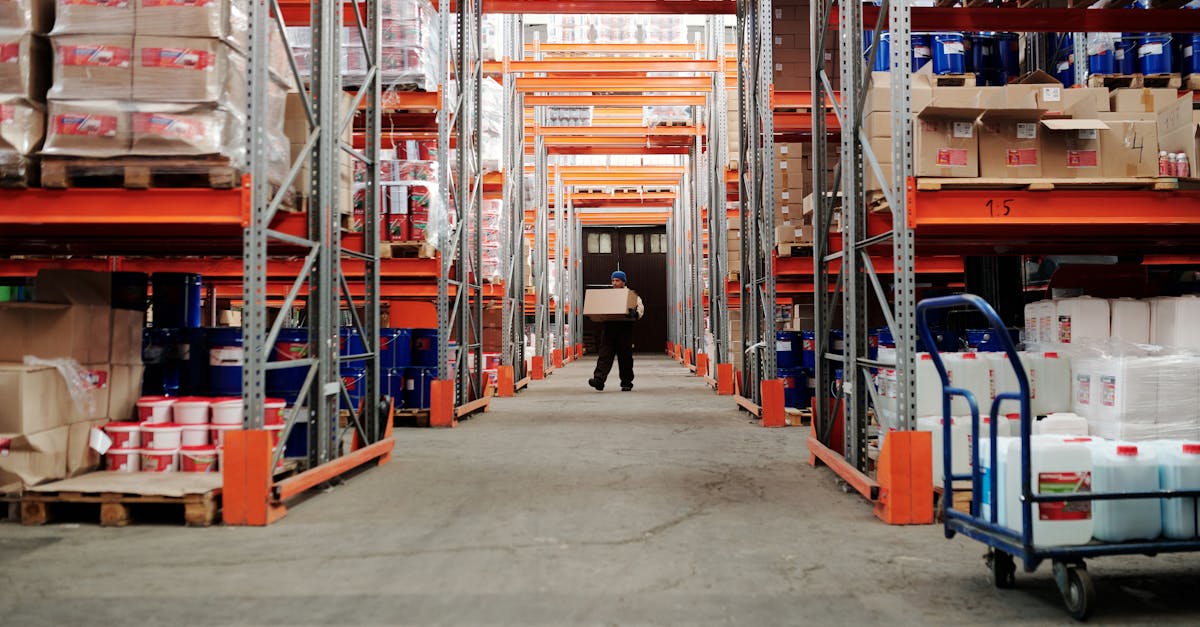
However, the infrastructure in many Indian warehouses remains a challenge. AMRs require flat, smooth concrete floors to navigate accurately. In many tier-2 cities, floor quality varies significantly, with potholes and uneven joints that can disrupt LiDAR SLAM. Manufacturers like Seegrid and Locus have noted that floor maintenance is a prerequisite for AMR deployment. This adds a hidden cost to the Total Cost of Ownership (TCO).
Furthermore, the integration with existing Warehouse Management Systems (WMS) is complex. Major Indian 3PL providers like Blue Dart and Delhivery are piloting AMRs to optimize last-mile sorting. The AMRs must communicate via API with the WMS to receive pick orders and report inventory levels. Legacy WMS systems often lack the API endpoints required for this handshake, necessitating middleware or custom development.
ROI and Implementation Costs
The financial case for AMRs hinges on the Return on Investment (ROI) calculation. In the Indian market, the labor arbitrage has traditionally been a barrier. However, rising wage inflation and the difficulty in sourcing skilled material handling labor have shifted the balance.
For a standard AMR unit in India, the landed cost ranges between INR 15 lakh to INR 35 lakh ($18,000 to $42,000), depending on the payload capacity and sensor suite. This excludes the cost of the WMS integration and the ongoing maintenance. For a fleet of 20 AMRs, the capital expenditure (CapEx) can reach INR 70 lakh. To justify this, the payback period must be within 24 to 36 months.
The ROI is realized through increased throughput, reduced labor costs in high-turnover areas, and decreased product damage. For example, a warehouse processing 10,000 orders per day might see a 30% increase in picking speed with AMRs. However, this assumes the AMRs are utilized at 90% uptime. Downtime due to software bugs or navigation errors can extend the payback period significantly.
Operational expenditure (OpEx) includes the subscription fees for navigation software, which some vendors charge annually. This recurring cost must be factored into the long-term financial planning. Additionally, battery replacement cycles and charging infrastructure (if not automated) add to the ongoing costs.
Safety and Integration Standards
Safety is paramount when deploying autonomous systems alongside human workers. International standards like ISO 3691-4 define the safety requirements for industrial self-propelled trucks. In India, compliance with the Factories Act and local municipal safety codes is mandatory.
AMRs are equipped with safety layers to mitigate risk. These include:
- Safety-rated laser scanners: These create virtual stop zones around the robot. If a human enters the zone, the robot slows down or stops.
- Emergency stops: Physical buttons on the chassis for immediate shutdown.
- Visual and auditory signals: Amber lights and beacons to indicate robot status to human operators.
Integration requires a rigorous safety assessment before deployment. This involves mapping the warehouse to identify blind spots and ensuring that the Wi-Fi network is robust enough to handle the real-time data transmission required for fleet management. In many older Indian warehouses, Wi-Fi dead zones are common, requiring a complete network overhaul before AMR deployment can begin.
Challenges to Mass Adoption
Despite the technological maturity, several barriers remain for mass adoption in India.
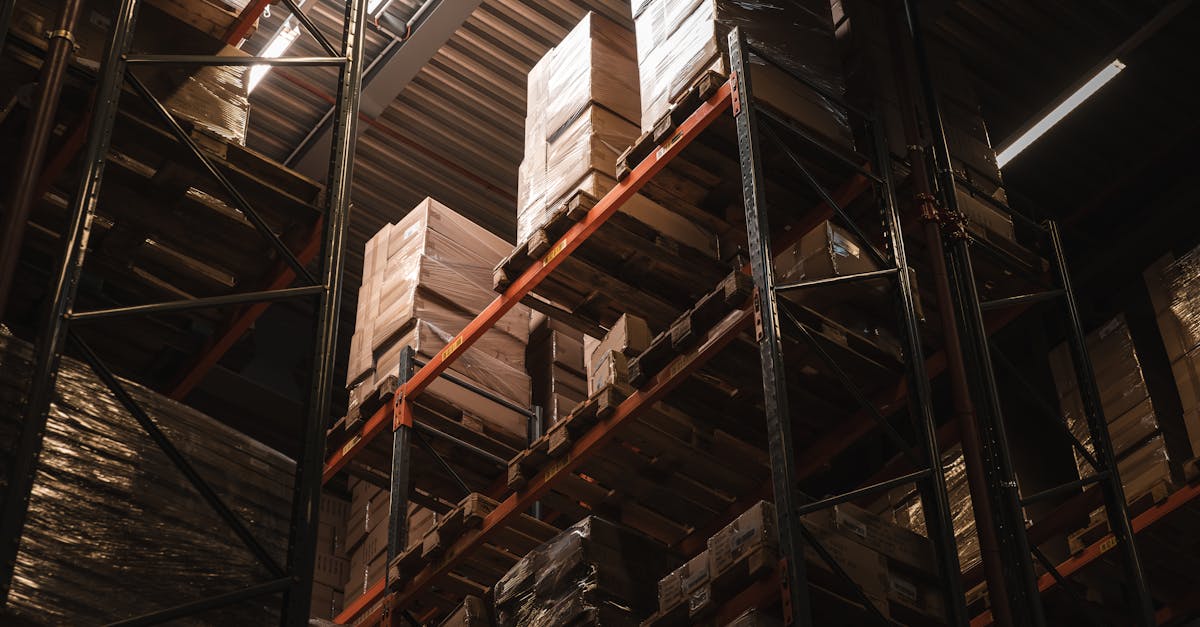
Infrastructure Readiness: As mentioned, floor quality is a primary constraint. Additionally, high-density storage racks must be compatible with the AMR's reach. Many existing racks in India were built for manual forklifts and may not accommodate the precise positioning required by AMRs.
Skill Gap: Operating and maintaining an AMR fleet requires a new skill set. Warehouse managers need to understand fleet management software, and technicians need training on sensor calibration. The shortage of such skilled labor in the Indian logistics sector is a bottleneck.
Supply Chain Resilience: Import duties on robotic components can affect pricing. While some manufacturers have set up local assembly units to mitigate this, the supply chain for high-end LiDAR sensors remains largely global. Any disruption in global chip supply can delay deployment timelines.
Conclusion: A Gradual Evolution
The transition to AMRs in Indian warehouses is not a sudden revolution but a gradual evolution. Shipping hardware is available, and pilot deployments are proving viability. However, the economic case is strongest in high-volume, high-turnover fulfillment centers in metro regions like Mumbai, Delhi NCR, and Bangalore. For smaller regional warehouses, the cost of deployment and maintenance may still outweigh the benefits compared to traditional labor.
As the technology matures and domestic manufacturing scales, the cost of ownership is expected to drop. For now, companies considering AMRs must prioritize infrastructure upgrades, rigorous pilot testing, and clear ROI metrics before committing to large-scale fleet procurement. The post-AGV generation is here, but it requires a grounded, hardware-first approach to succeed in the complex Indian logistics landscape.
✓ Key takeaways
- •Hands-on view of Autonomous Mobile Robots in Warehousing: The Post-AGV Reality Check inside our AMRs in Warehouses library.
- •Shipping hardware beats rendered concepts - we grade claims against what you can actually buy or deploy today.
- •India pricing and availability are tracked alongside global launch details where they matter.
References
Related articles
More in AMRs in Warehouses →