AMRs in Warehouses: Operational Reality and India Market Penetration

The Shift from AGVs to Autonomous Mobile Robots
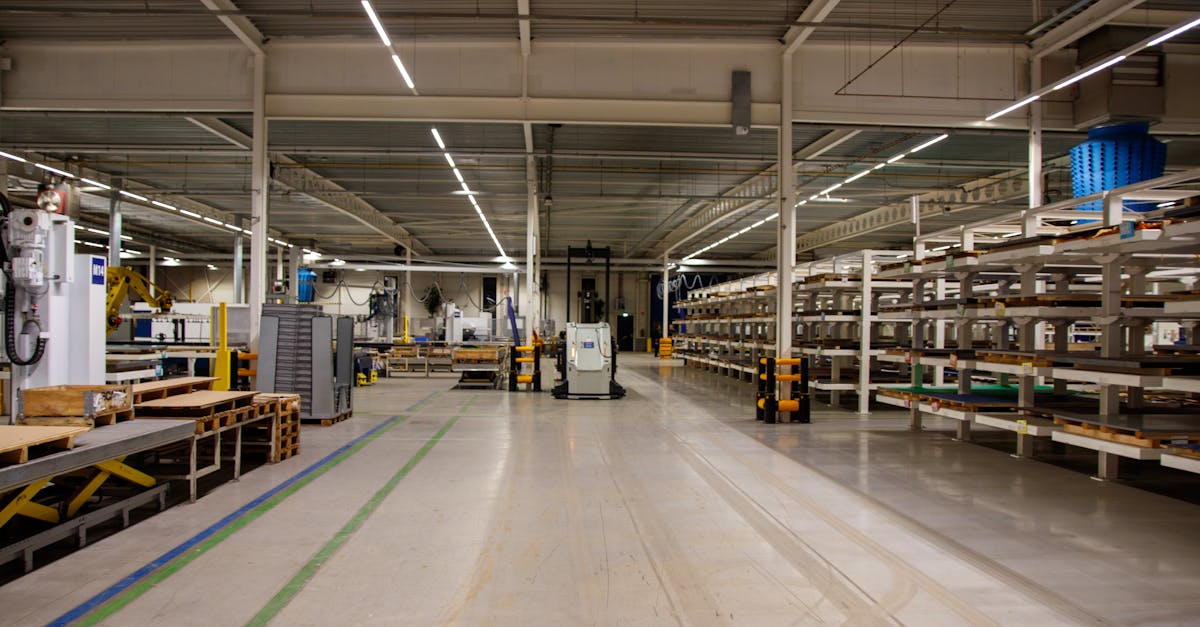
The warehouse logistics sector has undergone a significant transition over the last decade, moving from the rigid infrastructure requirements of Automated Guided Vehicles (AGVs) to the flexible navigation systems of Autonomous Mobile Robots (AMRs). While early adoption focused on magnetic tape or wire guidance, the current standard relies on Simultaneous Localization and Mapping (SLAM) using LiDAR and visual sensors. This shift allows robots to navigate dynamic environments without fixed infrastructure, a critical factor for modern distribution centers facing fluctuating SKU layouts.
However, the terminology often obscures reality. AMRs are not merely automated vehicles; they are mobile manipulators in many contexts, capable of task execution beyond simple point-to-point transport. In the context of shipping hardware, we distinguish between transport-only AMRs and those integrated with robotic arms for pick-and-place tasks. The latter remains a niche segment with limited pilot deployments globally, whereas transport AMRs are entering production environments at scale.
The primary metric for success in this category is not speed, but reliability and uptime. A robot that navigates perfectly 95% of the time but requires manual intervention 500 times a day is less efficient than a slower unit with 99.9% reliability. Current industry leaders prioritize this uptime through robust obstacle avoidance and redundant safety layers.
Leading Shipping Hardware: A Hardware-First Audit
When evaluating the market for AMRs, we prioritize manufacturers with shipped units over those with concept renders. The following hardware platforms represent the current standard for warehouse deployments.
- Locus Robotics (Locus Bionic): A leader in large-scale fleet deployment. The Locus Bionic system operates on a cloud-based orchestration platform, managing hundreds of robots. Their hardware is known for its flatbed design, capable of carrying heavy loads up to 500 lbs. Locus has deployed over 100,000 units globally, with a significant footprint in North America and Europe.
- MiR (Mobile Industrial Robots): Based in Denmark, MiR focuses on forklift-style AMRs. The MiR250 and MiR600 are widely deployed in European manufacturing and logistics. Their key differentiator is the ability to be controlled via standard smartphones and tablets, reducing the barrier to entry for non-technical operators.
- Geek+ (Geek Robotics): A dominant force in the Asian market, Geek+ offers a wide range of AMRs including pallet-moving and shelf-moving units. Their technology is deeply integrated into the supply chain software ecosystem, often partnering with major logistics providers in China and expanding into Southeast Asia.
- Fetch Robotics (now Agility Robotics): While known for humanoid arms, their Fetch AMR platform remains relevant for warehouse logistics. The platform focuses on palletizing and depalletizing, integrating a dual-arm system into a mobile base. This represents the convergence of manipulation and mobility.
It is crucial to note that many announcements regarding "autonomous" fleets are actually teleoperated systems or semi-autonomous hybrids where a human drives the robot until a specific zone is reached. True Level 4 autonomy in warehouses requires the robot to handle dynamic obstacles, including other robots and human workers, without pre-programmed paths.
The Indian Warehouse Landscape
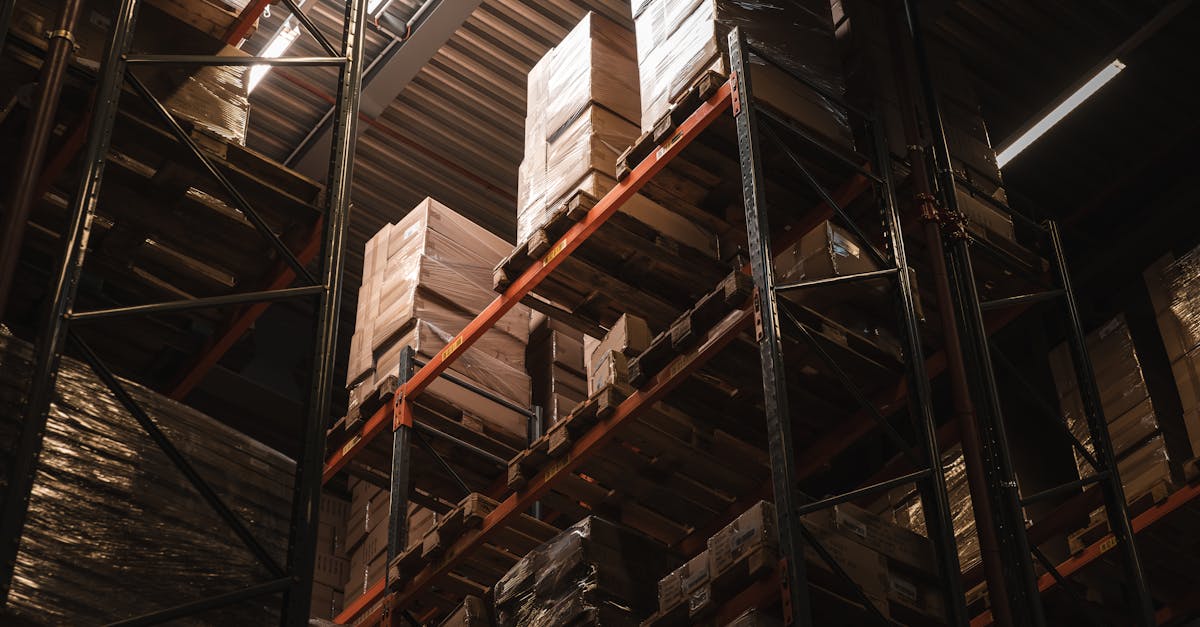
The Indian logistics market is characterized by a mix of large-scale e-commerce fulfillment centers and traditional warehousing. The adoption of AMRs is accelerating, driven by labor shortages and the rising cost of manual material handling. However, the infrastructure readiness varies significantly.
Major e-commerce players in India, such as Flipkart and Amazon India, have piloted AMR fleets in their fulfillment centers. These pilots often focus on last-mile delivery within the warehouse rather than full autonomous picking. The physical environment in India presents unique challenges, including uneven flooring, variable lighting conditions, and high pedestrian traffic in mixed-use facilities.
Local System Integrators (SIs) play a pivotal role in the deployment chain. Companies like Robu Robotics and Kumar Robots have begun integrating foreign AMR platforms into Indian supply chains. They provide the necessary infrastructure adaptation, including SLAM calibration for local warehouse layouts and integration with Indian Warehouse Management Systems (WMS).
Availability of AMR hardware in India is currently fragmented. While Locus Robotics and MiR have distribution channels, they are not as ubiquitous as traditional forklifts. Pricing structures are often bespoke, requiring site surveys before quotes can be issued. There is a growing shift towards Robotics-as-a-Service (RaaS) models, where the cost is operational expenditure (OpEx) rather than capital expenditure (CapEx), which is more attractive to Indian SMEs.
Pricing and ROI in Rupees
Understanding the financial viability of AMRs requires a clear view of landed costs. For a standard transport AMR, the base hardware cost typically ranges between $25,000 and $50,000 USD. When importing to India, landed costs increase due to GST (18% on imported electronics), customs duties, and freight charges.
- Base Hardware Cost: Approx. ₹20 Lakhs to ₹45 Lakhs (excluding installation).
- Integration & Software: An additional 20-30% of the hardware cost is typical for software licensing, WMS integration, and site mapping.
- Service Contracts: Annual maintenance contracts usually run at 10-15% of the hardware value.
ROI timelines are generally projected between 18 to 36 months. This assumes a reduction in manual labor headcount or a significant increase in throughput. For a warehouse managing 10,000 SKUs, the automation of the "goods-to-person" workflow can reduce walking time for human pickers by up to 75%. In terms of INR, if a warehouse spends ₹15 Lakhs annually on labor for a specific task, and an AMR fleet costs ₹50 Lakhs (CapEx), the break-even point is roughly 3.3 years without labor inflation. With inflation factored in, the ROI improves.
However, the RaaS model changes this calculation. Paying ₹1.5 Lakhs per month per unit over a 3-year lease makes the upfront barrier negligible. This model is gaining traction in India where cash flow management is critical for SMEs.
Safety and Integration Standards
Safety in AMR deployment is non-negotiable. The international standard ISO 3691-4 defines safety requirements for industrial trucks with operator presence. AMRs must comply with ISO 13849 for safety-related parts of control systems.
In the warehouse environment, this translates to specific hardware requirements:
- Emergency Stop Buttons: Physical access points for immediate intervention.
- LiDAR Safety Zones: The robot must detect obstacles within a defined radius and slow down or stop automatically.
- Visual Indicators: Lights and displays to indicate the robot's status (moving, charging, error) to human workers.
Integration with existing Warehouse Management Systems (WMS) is the second pillar of safety. If the WMS sends a task to an AMR that is already occupied or charging, the system must queue the task to prevent collisions. Most mature platforms use a central fleet management server to orchestrate traffic, similar to air traffic control.
The human-robot interface is also critical. In mixed environments where humans and AMRs coexist, the robots must be predictable. This includes predictable braking distances and audible alerts that comply with local noise regulations in industrial zones.
References
✓ Key takeaways
- •Hands-on view of AMRs in Warehouses: Operational Reality and India Market Penetration inside our AMRs in Warehouses library.
- •Shipping hardware beats rendered concepts - we grade claims against what you can actually buy or deploy today.
- •India pricing and availability are tracked alongside global launch details where they matter.
References
Related articles
More in AMRs in Warehouses →