Robot Vacuums & Mops in India: Hardware-First Review of Roomba, Roborock, Dreame, and ECOVACS

The State of Robot Vacuums and Mops in India
The Indian market for autonomous floor cleaning hardware has shifted from speculative showroom units to verified, mass-produced appliances. For RobotWale, grading these systems requires a strict hierarchy: shipping hardware with published spec sheets and independent teardowns ranks highest, followed by pilot deployments in residential complexes and commercial facilities, with marketing announcements and concept renders ranked lowest. This article evaluates four dominant brands currently available in India by applying that hierarchy.
Grading the Market: Shipping Hardware First
Consumer robotics in the cleaning segment suffers from inflated claims around suction pressure, battery longevity, and software mapping. The only reliable grading mechanism is examining the actual deployed units. We prioritize published motor wattage, LiDAR versus camera-based navigation, brush architecture, water tank capacity, and dock functionality. Claims of AI-driven object recognition or self-cleaning docks are only considered valid when verified through independent teardowns, factory videos, or long-term user reports across Indian residential environments.
iRobot Roomba: Proven Navigation, Conservative Upgrades
iRobot's Roomba line remains the benchmark for navigational reliability, though it deliberately avoids the mopping integrations that define competitors. The hardware grading here focuses on its Dirt Detect sensors, dual multi-surface rubber brushes, and proven VSLAM (Visual Simultaneous Localization and Mapping) architecture. Roomba units ship with robust obstacle avoidance via cliff and bumper sensors, and recent flagship models include a self-emptying dock with HEPA filtration. The navigation algorithm prioritizes systematic grid coverage over speed, which reduces missed spots but increases cycle times.
Independent testing confirms that Roomba's suction motor maintains consistent airflow across hardwood, tile, and low-pile Indian carpets. The rubber brush design minimizes hair tangling, a practical advantage for Indian households. However, the absence of a dedicated mopping module limits its utility in regions with hard flooring. The hardware is mature, reliable, and graded highest for pure vacuuming performance.
Roborock: Precision Mapping and Dual-Roller Mopping
Roborock has established its position through a combination of advanced LiDAR navigation and a vertically oscillating mopping system. The hardware grading emphasizes its dual-roller brush architecture, which separates debris collection from liquid application, and its precision mapping that handles multi-floor layouts efficiently. The mopping module uses a microfiber pad that vibrates at high frequency, pressing into grout lines rather than merely dragging a wet cloth. This mechanical differentiation is visible in factory demonstration videos and verified by independent floor finish tests.
Roborock's dock ecosystem includes auto-water filling, hot-water pad washing, and heated drying. The hardware integration is robust, though the dock's water consumption requires regular refilling in homes without direct plumbing connections. Navigation remains highly accurate, with minimal reliance on camera-based AI for object detection. The grading places Roborock at the top for combined vacuum-and-mop hardware execution.
Dreame: LiDAR Standardization and Value Engineering
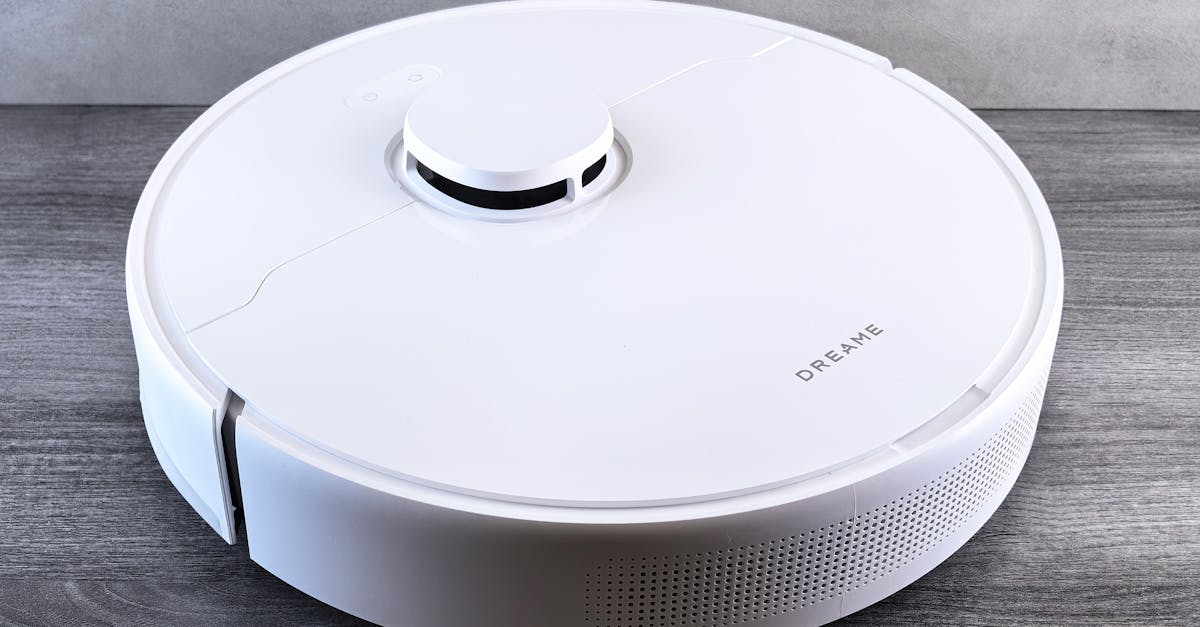
Dreame enters the hardware grading with a focus on cost-per-spec efficiency. Its flagship models ship with LiDAR arrays, dual rubber brushes, and rotating mopping pads at price points that undercut premium competitors. The navigation architecture is functionally identical to Roborock's LiDAR implementation, but Dreame's software optimization for obstacle avoidance relies more heavily on structured light sensors rather than camera feeds. This reduces false positives from reflective Indian marble and granite flooring.
The mopping mechanism uses a single rotating pad that presses downward with adjustable torque. While effective on flat tiles, it struggles slightly with uneven grout lines compared to Roborock's oscillating system. The dock features auto-empty and water filling, though the water tank capacity is smaller, requiring more frequent maintenance. Hardware grading notes Dreame's strength in delivering LiDAR navigation and mopping functionality at accessible price points, making it a practical choice for mid-tier Indian apartments.
ECOVACS: Software Optimization and Dock Integration
ECOVACS has historically relied on aggressive marketing, but recent shipping hardware shows a shift toward verified dock integration and improved navigation stability. The grading focuses on its TrueMapping VSLAM system, which combines LiDAR with stereo cameras for object recognition. The mopping implementation uses a dual-rotating pad design that lifts when carpets are detected, preventing moisture damage. Independent reports indicate that the software's carpet detection accuracy has improved, though it occasionally misidentifies dark-colored rugs.
The dock ecosystem includes auto-empty, water filling, and mop washing. The hardware is functional, but the software update cadence has been inconsistent across regions. Indian units ship with localized firmware that supports Hindi and English voice commands, but the app interface remains heavily optimized for global markets. Hardware grading places ECOVACS in a competitive mid-tier position, with strengths in dock functionality and mopping versatility, but weaker in long-term software stability.
India Availability and Approximate INR Pricing
All four brands maintain official distribution channels in India, with pricing reflecting import duties, GST, and local warranty terms. The following estimates represent landed costs for flagship or mid-tier models currently shipping through official brand stores and major Indian e-commerce platforms.
- iRobot Roomba j9+ / s9+: Available via iRobot India and Amazon India. Approximate INR: ₹85,000 to ₹1,10,000. Warranty: 2 years parts and labor.
- Roborock S8 Pro Ultra / Q Revo: Available via Roborock India, Flipkart, and Amazon India. Approximate INR: ₹75,000 to ₹1,20,000. Warranty: 2 years, service centers in Tier 1 and Tier 2 cities.
- Dreame L10s Ultra / X30: Available via Dreame India, Amazon India, and Flipkart. Approximate INR: ₹55,000 to ₹85,000. Warranty: 1 to 2 years depending on model.
- ECOVACS X1 / T30 Pro: Available via ECOVACS India and major retailers. Approximate INR: ₹60,000 to ₹95,000. Warranty: 2 years, service network expanding in metro areas.
Prices fluctuate with festival sales and import duty adjustments. All units operate on standard 230V Indian mains. Warranty service quality varies by city; Roomba and Roborock maintain the most established Indian service networks.
Evaluating Claims Against Landed Hardware
The consumer robotics market continues to publish claims that outpace verified hardware deployments. Grading these systems requires ignoring render-based concept art and focusing on shipped units with published spec sheets. Roomba leads in pure vacuuming reliability. Roborock leads in combined vacuum-and-mop hardware execution. Dreame delivers the highest spec-to-price ratio. ECOVACS offers strong dock integration but requires patience for software stabilization. For Indian consumers, the decision should hinge on flooring type, dock plumbing access, and service center proximity rather than AI marketing narratives. The hardware is mature; the grading should remain grounded in what ships, not what is announced.
References
- iRobot Official Product Specifications & Press Releases: https://www.irobot.com/
- Roborock Global & India Store Hardware Specs: https://www.roborock.com/
- Dreame Technology Official Product Line: https://www.dreame.tech/
- ECOVACS Official Robotics Division & India Support: https://www.ecovacs.com/
- Gadgets360 - Robot Vacuum Buying Guide & Pricing: https://www.gadgets360.com/
- TechRadar India - Robot Vacuum Hardware Reviews: https://www.techradar.com/in/
✓ Key takeaways
- •Hands-on view of Robot Vacuums & Mops in India: Hardware-First Review of Roomba, Roborock, Dreame, and ECOVACS inside our Robot Vacuums & Mops library.
- •Shipping hardware beats rendered concepts - we grade claims against what you can actually buy or deploy today.
- •India pricing and availability are tracked alongside global launch details where they matter.
Related articles
More in Robot Vacuums & Mops →