IIT Madras Unveils Astra-1: A New Open-Source Humanoid Research Platform - RobotWale News

Research & Labs
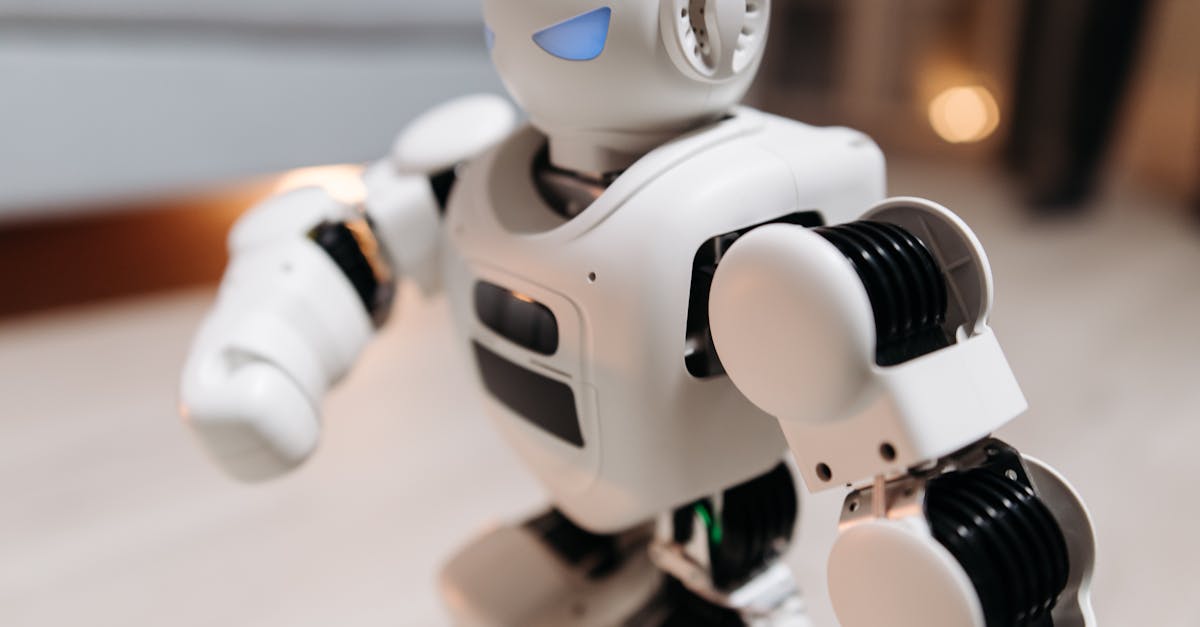
IIT Madras researchers have officially unveiled Astra-1, a modular humanoid robot platform designed specifically for academic and industrial research laboratories. Announced on November 12, 2024, the system marks a significant step toward democratizing advanced robotics research across India. The platform is engineered to provide universities, startups, and government labs with a standardized, open-source foundation for developing, testing, and deploying humanoid robots without the prohibitive costs typically associated with commercial systems.
Technical Architecture and Lab Integration
Astra-1 features a 1.65-meter tall chassis built around a custom-designed series-elastic actuator network. Each joint utilizes low-cost, high-torque direct-drive motors paired with absolute encoders to achieve precise position and impedance control. The robot’s central compute module integrates an NVIDIA Jetson Orin NX running a fully containerized ROS 2 Humble distribution, enabling seamless integration with existing lab simulation environments like Gazebo and Isaac Sim. Sensor suites include stereo RGB-D cameras, inertial measurement units, and force-torque sensors in the wrists and ankles. The open-source software stack provides pre-trained reinforcement learning policies for bipedal locomotion and manipulation tasks, which researchers can modify or extend through a dedicated GitHub repository. All mechanical designs are published under a Creative Commons license, allowing domestic labs to 3D print replacement components locally.
Pricing and Domestic Market Impact
For the Indian research community, Astra-1 is priced at ₹18 lakh for the base hardware kit and ₹25 lakh when bundled with the full peripheral and simulation package. IIT Madras has structured the pricing to include two years of technical support, firmware updates, and access to a shared compute cluster for distributed training workloads. The platform entered its beta testing phase in October 2024, with over forty research groups submitting proposals for early access. IIT Madras will host a series of hands-on workshops across Bengaluru, Hyderabad, and Pune in January 2025 to train lab technicians on calibration, safety protocols, and custom gait programming. Industry analysts note that the platform’s modular design and domestic manufacturing supply chain could reduce hardware procurement costs for Indian labs by up to sixty percent compared to imported alternatives. The launch aligns with India’s broader push to establish localized humanoid robotics R&D hubs under the National Robotics Mission, with plans for a second generation featuring higher payload capacity and advanced tactile skin integration in 2026.
More in Reviews & Opinion