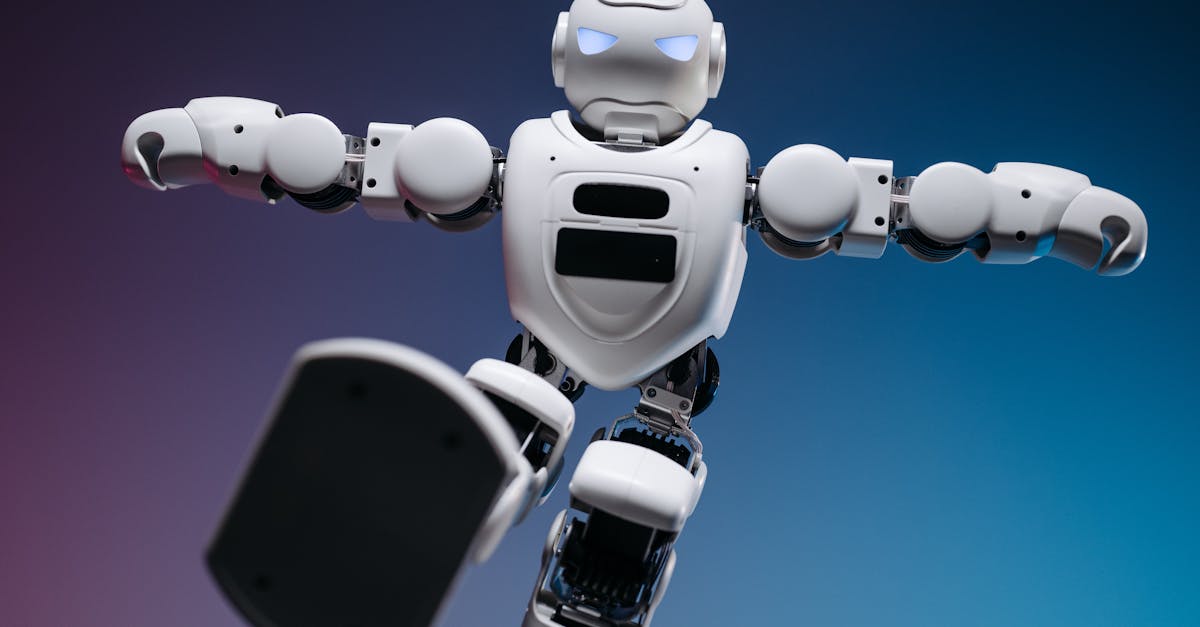
Figure AI: The OpenAI-Backed Humanoid Pushing Pilots in BMW Factories
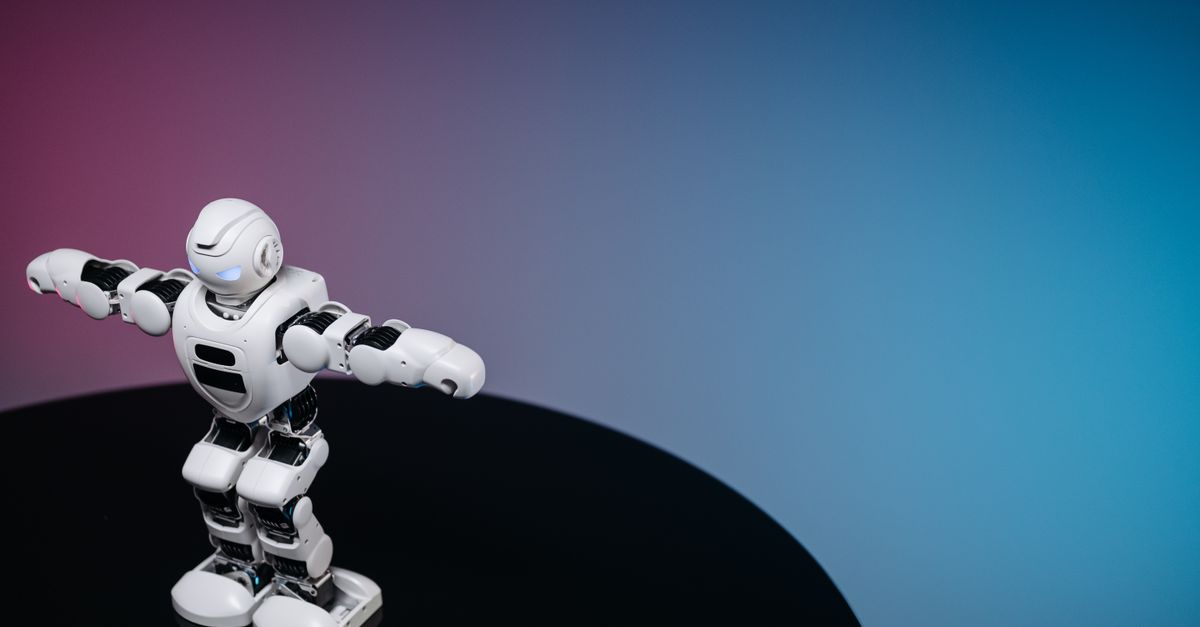
Overview of Figure AI and Corporate Backing
Figure AI has emerged as a prominent entity in the humanoid robotics sector, driven by a vision to create general-purpose robots capable of performing physical tasks. Founded in 2022 and headquartered in San Francisco, the company was established by Bill Smith, the former CEO of Boston Dynamics. Smith's background in robotics engineering brings significant industry credibility to the venture. The company has attracted high-profile backing from OpenAI, Microsoft, and Nvidia, signaling strong investor confidence in the long-term viability of humanoid robots.
The investment landscape for Figure AI reflects a strategic bet on the convergence of generative AI and hardware. OpenAI provides the foundational model for the robot's cognitive processing, while Microsoft contributes cloud infrastructure via Azure for data storage and connectivity. Nvidia supports the hardware development and simulation capabilities through its Isaac platform. This triad of technology giants aims to accelerate the development of robots that can operate in complex, unstructured environments.
As of late 2024, Figure AI has raised over $300 million in Series B funding, valuing the company at approximately $1.6 billion. This capital is dedicated to research and development, pilot deployments, and scaling manufacturing capabilities. While the funding is substantial, the company maintains a cautious approach to commercial rollout, prioritizing reliability over speed.
Figure 01 Hardware Specifications
The Figure 01 is the company's flagship product, designed as a general-purpose humanoid robot. It stands approximately 5 feet 7 inches (170 cm) tall and weighs around 150 pounds (68 kg). The design philosophy focuses on electric actuation rather than hydraulic systems, aiming for quieter and safer operation in spaces shared with humans.
Actuation and Mobility
The Figure 01 features over 40 degrees of freedom, allowing for complex movements such as walking, crouching, and manipulating objects. The robot uses a combination of custom actuators and off-the-shelf components for its joints. While specific torque output per joint is not always detailed in public spec sheets, the design prioritizes energy efficiency and thermal management. The actuation system is designed to handle dynamic loads, enabling the robot to navigate uneven factory floors and interact with varying object sizes.
Perception and Sensing
Figure AI utilizes a suite of cameras and LiDAR sensors to map the environment. The hardware includes depth cameras for object recognition and spatial awareness. The robot is equipped with a dual-arm manipulator system designed for dexterity. The end-effectors are capable of handling various objects, from cardboard boxes to fragile electronics. The perception stack allows the robot to identify objects, assess their stability, and plan grasping paths autonomously.
Pilot Deployments: The BMW Partnership
The most concrete evidence of Figure AI's progress is its partnership with the BMW Group. Announced in early 2024, this collaboration involves deploying Figure 01 robots in BMW manufacturing facilities. The scope of the pilot is specific and targeted. The robots are tasked with sorting parts and packing boxes within the factory floor, focusing on non-critical assembly steps.
Pilot Status vs. Mass Shipping
It is critical to distinguish between a pilot deployment and mass commercial shipping. As of late 2024, Figure AI is operating in a pilot phase at BMW. This means the robots are being used for testing and validation, not yet replacing human workers at scale. The company has not announced a timeline for mass production or general availability to third-party manufacturers outside of specific enterprise partnerships. The BMW partnership serves as a validation step before broader rollout.
Operational Capabilities in Pilots
During the BMW pilot, the robots are expected to perform tasks such as moving car parts and assisting with assembly line logistics. The integration relies on the robots' ability to navigate dynamic factory environments. Feedback from these pilots is crucial for refining the software stack before broader rollout. The goal is to ensure the robots can handle edge cases, such as unexpected obstacles or changes in lighting conditions, without human intervention.
Software and AI Integration
The core differentiator for Figure AI is its software stack. The company leverages large language models (LLMs) to interpret natural language commands and make high-level decisions. This approach aims to reduce the need for hard-coded behaviors, allowing the robot to adapt to new tasks with minimal reprogramming. The system is designed to understand context, enabling the robot to execute commands like "pack the box" across different box sizes without specific coding for each instance.
Foundation Models
The integration with OpenAI implies that the robot can process visual and textual information to understand context. For example, a command to "pack the box" can be executed across different box sizes without specific coding for each instance. This generalization is the primary goal of the foundation model approach. The model is trained to recognize objects and infer intent, reducing the reliance on predefined scripts.
Simulation and Training
Nvidia's involvement is pivotal for training. The Isaac Sim platform allows Figure AI to train its policies in a virtual environment before deploying them in the real world. This reduces the risk of hardware damage during the learning phase. The company uses reinforcement learning to optimize movement and manipulation strategies. The simulation environment mimics physical constraints, ensuring that the learned policies are transferable to the real world.
India Availability and Pricing
For the Indian market, Figure AI has not announced formal distribution channels or pricing. Humanoid robots are currently in a high-cost prototyping stage. The global pricing for similar humanoid units ranges significantly based on customization and support contracts. The technology is not yet standardized for mass-market adoption.
Estimated Landed Cost
While no official INR pricing is available, industry estimates suggest a base unit cost could exceed $100,000 USD. For India, the landed cost would include import duties (currently high for robotics), shipping, and installation. A rough estimate for a fully configured Figure 01 unit could approach ₹1.2 Crore to ₹1.5 Crore ($150k-$200k range) before integration costs. These figures are estimates based on current humanoid market trends and should be treated as provisional.
Market Readiness
The Indian automotive and manufacturing sectors are potential targets for Figure AI. However, the cost barrier is significant. Unless the company scales production to reduce unit costs, adoption will remain limited to large enterprises capable of pilot investments. Regulatory compliance in India for autonomous robots is also a factor, requiring adherence to safety standards.
Financials and Funding
Figure AI has raised substantial capital to support its R&D. A Series B round raised $300 million, valuing the company at approximately $1.6 billion. This funding supports the development of the Figure 02 generation and the expansion of the pilot programs. The capital is used to cover operational expenses, including engineering salaries and manufacturing overhead.
Investor Confidence
The involvement of OpenAI and Nvidia signals a long-term bet on the humanoid sector. These investors are not just providing capital but technical resources. The funding allows Figure AI to focus on hardware reliability and software generalization without immediate pressure for revenue. The focus remains on achieving technical milestones rather than short-term profitability.
Conclusion
Figure AI represents the intersection of advanced AI and physical hardware. While the BMW pilot demonstrates capability, mass commercial availability remains years away. The company's focus on pilot deployments aligns with the current technological readiness of the sector. For Indian manufacturers, monitoring the BMW pilot results is the most prudent approach before committing to procurement.
The technology is promising, but the shipping hardware timeline is the primary metric for success. Until Figure AI transitions from pilot to mass production, the robots remain in the validation phase. The company's progress will be closely watched by the global robotics community as it navigates the challenges of scaling humanoid technology.
References
- Figure AI Official Website and Product Page: https://www.figure.ai
- BMW Group Press Release on Figure AI Partnership: https://www.bmwgroup.com/en/news/press.html
- Crunchbase Report on Series B Funding: https://www.crunchbase.com/organization/figure-ai
- Nvidia Isaac Platform Documentation: https://www.nvidia.com/en-in/industries/robotics/
- TechCrunch Analysis of Figure AI Backing: https://techcrunch.com/figure-ai
✓ Key takeaways
- •Hands-on view of Figure AI: The OpenAI-Backed Humanoid Pushing Pilots in BMW Factories inside our Figure AI library.
- •Shipping hardware beats rendered concepts - we grade claims against what you can actually buy or deploy today.
- •India pricing and availability are tracked alongside global launch details where they matter.
References
Related articles
More in Figure AI →